EEOC Rescinds 2024 Workplace Harassment Guidance: What Employers Need to Do Now
The EEOC voted 2-1 to rescind its comprehensive 2024 harassment guidance. Here's what changed, what didn't, and the steps employers should take to stay compliant.
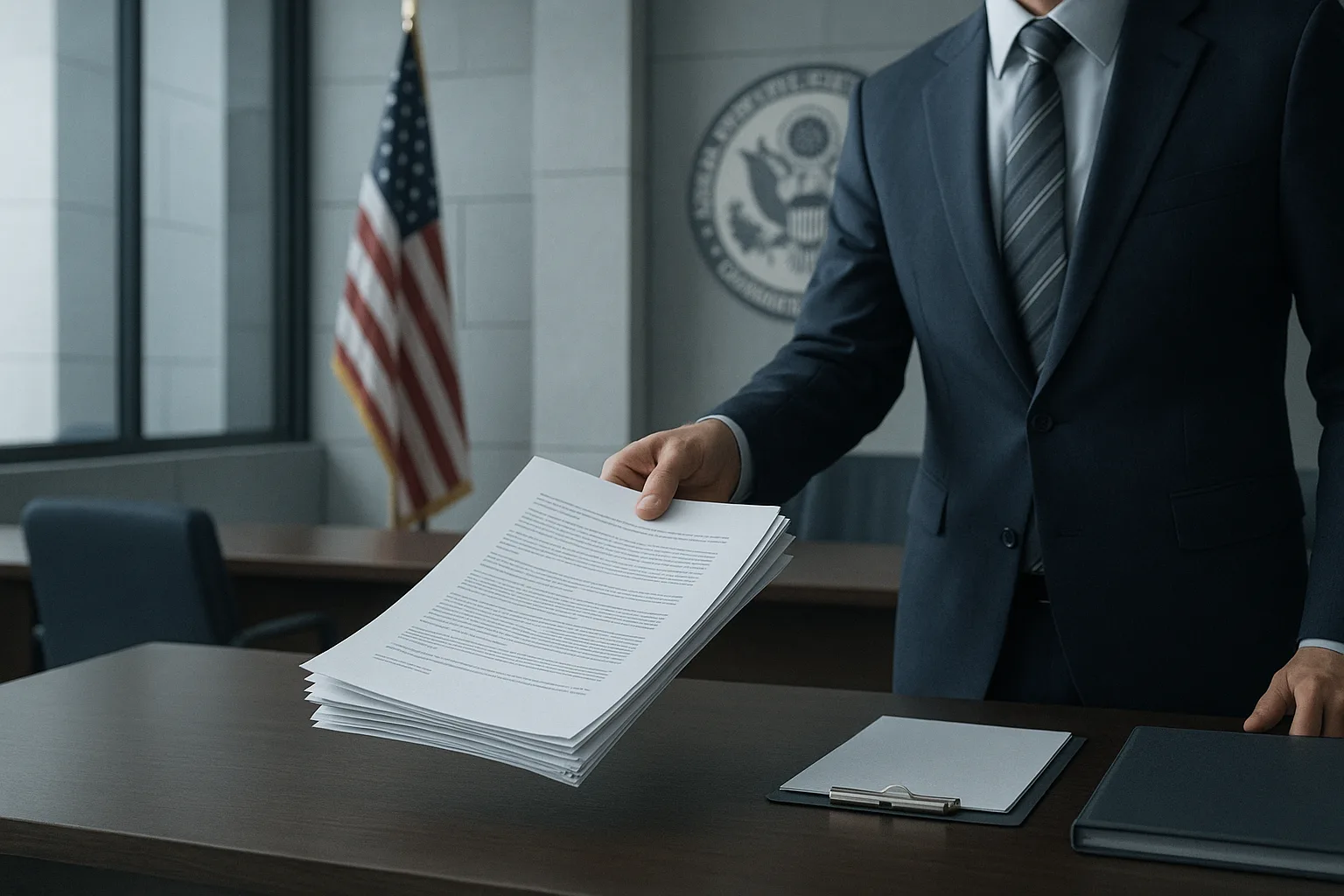

On January 22, 2026, the U.S. Equal Employment Opportunity Commission (EEOC) voted 2-1 to rescind its "Enforcement Guidance on Harassment in the Workplace" — a comprehensive, commission-approved guidance document that consolidated and superseded multiple older EEOC harassment materials, including older guidance from the 1980s and 1999. The rescission eliminates the detailed framework employers had relied on since April 2024 for developing anti-harassment policies, training programs, and complaint procedures.
For employers, this creates a practical challenge: the law hasn't changed, but the roadmap has disappeared. Understanding what the rescission does and does not affect is critical for maintaining compliant, effective anti-harassment programs.
What the 2024 Guidance Covered
The 2024 Enforcement Guidance on Harassment in the Workplace was a sweeping update that consolidated and modernized several earlier EEOC documents, some dating back decades. It addressed harassment based on every characteristic protected under federal law — race, color, religion, sex (including pregnancy, sexual orientation, and gender identity), national origin, age, disability, and genetic information.
The guidance broke new ground in several areas:
- Gender identity and sexual orientation: It incorporated the Supreme Court's 2020 decision in Bostock v. Clayton County, which held that discrimination based on sexual orientation or gender identity constitutes sex discrimination under Title VII. The guidance went further than Bostock itself by providing concrete examples — including harassment through intentional misgendering and denial of restroom access consistent with gender identity — in areas the Court expressly left unresolved.
- Modern workplace scenarios: It addressed harassment in remote and hybrid work settings, including conduct occurring through digital communications and virtual meetings.
- Employer liability frameworks: It offered detailed guidance on when employers could be held liable for harassment by supervisors, coworkers, and non-employees such as customers or clients.
- Practical examples: It included dozens of real-world scenarios to help employers identify and address harassing conduct across all protected categories.
Why the EEOC Rescinded the Guidance
The rescission was driven by a combination of legal challenges, political shifts, and changes in EEOC leadership.
The Texas Court Ruling
In May 2025, a federal court in the Northern District of Texas ruled in State of Texas v. EEOC that the EEOC had overstepped its authority in certain sections of the guidance. The court vacated portions that interpreted "sex" under Title VII to require employer accommodations for gender identity — including provisions on pronoun use, dress codes, and restroom access. The ruling had nationwide effect, and the EEOC subsequently marked the vacated portions on its website.
Executive Order 14168
In January 2025, President Trump signed Executive Order 14168, directing federal agencies to review and withdraw policies that interpreted sex beyond a binary, biological framework. This executive order increased pressure on the EEOC to reconsider the 2024 guidance.
The 2-1 Commission Vote
The rescission passed along party lines. Chair Andrea Lucas and Commissioner Brittany Panuccio (both Republican appointees) voted in favor, while Commissioner Kalpana Kotagal (a Democratic appointee) voted against. In her dissent, Commissioner Kotagal criticized the decision to rescind the entire guidance rather than removing only the court-vacated sections, and for proceeding without a public notice-and-comment period.
Chair Lucas emphasized in the EEOC's press release that the rescission "does not give employers license to engage in unlawful harassment" and that "federal employment laws against discrimination, harassment, and retaliation, and Supreme Court precedent interpreting those laws, remain firmly in place."
What Has Not Changed
This is the most important point for employers to internalize: the underlying law is exactly the same as it was before the rescission. The guidance was an interpretive document — not a regulation or statute. Its removal does not change any employer obligations under federal law.
Title VII Still Prohibits Workplace Harassment
Title VII of the Civil Rights Act of 1964 continues to prohibit harassment based on race, color, religion, sex, and national origin. Employers with 15 or more employees remain covered.
Bostock Remains Binding Law
The Supreme Court's 2020 decision in Bostock v. Clayton County — which held that Title VII's prohibition on sex discrimination includes discrimination based on sexual orientation and gender identity — is still binding federal precedent. No EEOC vote can overrule a Supreme Court decision.
Other Federal Protections Remain
The Age Discrimination in Employment Act (ADEA), the Americans with Disabilities Act (ADA), and the Genetic Information Nondiscrimination Act (GINA) all continue to prohibit harassment based on their respective protected characteristics.
The EEOC Can Still Investigate and Litigate
The EEOC retains full authority to receive charges, investigate complaints, and bring enforcement actions for workplace harassment under all applicable federal statutes.
What Has Changed
While the law remains the same, the practical landscape has shifted in meaningful ways.
Loss of a Centralized Interpretive Resource
The 2024 guidance served as a single, authoritative reference document. Employers, HR professionals, and employment lawyers used it to benchmark policies, design training, and evaluate whether specific conduct might constitute unlawful harassment. Without it, these stakeholders must piece together guidance from statutory text, case law, and older EEOC materials.
Reduced Clarity on Emerging Issues
The guidance addressed topics that older EEOC documents did not cover — remote work harassment, social media conduct, and detailed gender identity scenarios. There is now no current commission-approved, comprehensive EEOC enforcement guidance addressing these modern workplace realities, although other EEOC harassment materials remain available online.
Increased Variability Across Jurisdictions
Without a unified federal interpretive framework, employers operating in multiple states will face greater complexity. States like California, New York, Illinois, and Colorado have their own anti-harassment laws that often provide broader protections than federal law, including explicit coverage for gender identity, gender expression, and sexual orientation with lower employee-count thresholds.
For example, California's Fair Employment and Housing Act (FEHA) covers employers with five or more employees for discrimination and one or more for harassment. New York State's Human Rights Law covers every employer in the state, while New York City's general employment law applies to employers with four or more employees or one domestic worker; sexual-harassment protections in NYC extend to all employees regardless of employer size.
What Employers Should Do Now
The rescission does not reduce any employer's obligation to prevent and address workplace harassment. If anything, it increases the need for employers to take proactive, well-documented steps. Here is a practical action plan:
1. Audit Your Anti-Harassment Policy
Review your current policy to ensure it:
- Clearly defines prohibited harassment across all federally protected categories (race, color, religion, sex, national origin, age, disability, genetic information)
- Includes multiple reporting channels so employees can report harassment to someone other than their direct supervisor
- Establishes a prompt, impartial investigation process
- Prohibits retaliation against anyone who reports harassment or participates in an investigation
- Is distributed to all employees and acknowledged in writing
Do not remove protections from your policy simply because federal guidance has been rescinded. The underlying legal obligations remain, and reducing protections could increase liability.
2. Review State and Local Requirements
If you operate in multiple jurisdictions, map your policy against applicable state and local laws. Many states require:
- Specific anti-harassment training content and frequency
- Posting of workplace rights notices
- Coverage of additional protected categories beyond federal law
- Lower employee-count thresholds for coverage
3. Update Training Programs
Revise your harassment prevention training to:
- Ground content in statutory requirements and case law rather than referencing the rescinded guidance
- Cover all protected categories under both federal and applicable state law
- Address modern workplace scenarios including remote work, digital communications, and social media
- Emphasize the employer's complaint and investigation procedures
- Document employee completion and comprehension
4. Strengthen Investigation Protocols
Ensure your investigation procedures are:
- Prompt — initiated quickly after a complaint is received
- Thorough — all relevant witnesses and evidence are considered
- Impartial — conducted by trained investigators without conflicts of interest
- Well-documented — written records of findings, conclusions, and any corrective action
- Consistent — similar complaints result in similar processes and outcomes
5. Monitor Regulatory Developments
The EEOC's enforcement priorities and interpretive positions may continue to shift. Employers should:
- Track EEOC press releases and guidance updates at eeoc.gov
- Monitor state agency developments in jurisdictions where they operate
- Consult employment counsel when questions arise about specific workplace situations
- Watch for any replacement guidance the EEOC may issue
6. Document Everything
In a period of reduced federal guidance, documentation becomes even more critical. Maintain records of:
- Policy distributions and employee acknowledgments
- Training sessions, content, and attendance
- Complaints received, investigations conducted, and outcomes
- Corrective actions taken and follow-up monitoring
The Bottom Line
The EEOC's rescission of its 2024 harassment guidance removes a practical resource, not a legal obligation. Every federal anti-discrimination and anti-harassment law that applied before January 22, 2026, applies today. Bostock v. Clayton County remains the law of the land. Employers who maintained strong anti-harassment programs before the rescission should continue to do so — and employers who relied on the guidance as a crutch rather than building robust internal policies should treat this as a wake-up call.
The smartest course of action is straightforward: maintain clear policies, train your workforce, investigate complaints promptly and fairly, and stay current on both federal and state requirements. The guidance may be gone, but the obligation to provide a harassment-free workplace is not.
Sources
- EEOC Commission Votes to Rescind 2024 Harassment Guidance — EEOC Press Release
- EEOC Harassment Information Page
- Federal Court Vacates Portions of EEOC Harassment Guidance — EEOC Newsroom
- Title VII of the Civil Rights Act of 1964 — EEOC
- Bostock v. Clayton County — Supreme Court Opinion (PDF)
- EEOC Rescinds Enforcement Guidance on Harassment — Littler Mendelson
- EEOC Votes to Rescind 2024 Harassment Guidance — SHRM
- EEOC Rescinds Enforcement Guidance on Harassment in the Workplace — Jackson Lewis
- California Fair Employment and Housing Act — Civil Rights Department
- New York State Human Rights Law — Division of Human Rights
Tags
Frequently Asked Questions
No. The rescission removed an interpretive guidance document, not a regulation or statute. All federal anti-discrimination and anti-harassment laws — including Title VII, the ADA, the ADEA, and GINA — remain fully in effect. The Supreme Court's decision in Bostock v. Clayton County also remains binding law.
The rescission was driven by a combination of factors: a federal court in Texas vacated portions of the guidance related to gender identity accommodations, Executive Order 14168 directed agencies to review sex-related policies, and the EEOC's new leadership voted 2-1 along party lines to rescind the entire document rather than just the vacated sections.
No. The EEOC Chair explicitly stated that the rescission does not give employers license to engage in unlawful harassment. Employers should maintain clear anti-harassment policies covering all federally protected categories. Many state laws also provide broader protections than federal law, making it important to review both federal and state requirements.
Yes. The Supreme Court's 2020 decision in Bostock v. Clayton County — which held that Title VII's prohibition on sex discrimination includes discrimination based on sexual orientation and gender identity — remains binding federal precedent. No EEOC vote can overrule a Supreme Court decision.
Employers should audit their anti-harassment policy to ensure it covers all protected categories, review state and local requirements, update training programs to reference statutory requirements and case law rather than the rescinded guidance, strengthen investigation protocols, monitor regulatory developments, and maintain thorough documentation of all policies, training, and complaint handling.