 AnalysisNew
Butterball’s $230K ADA Settlement: Lessons for HR Systems
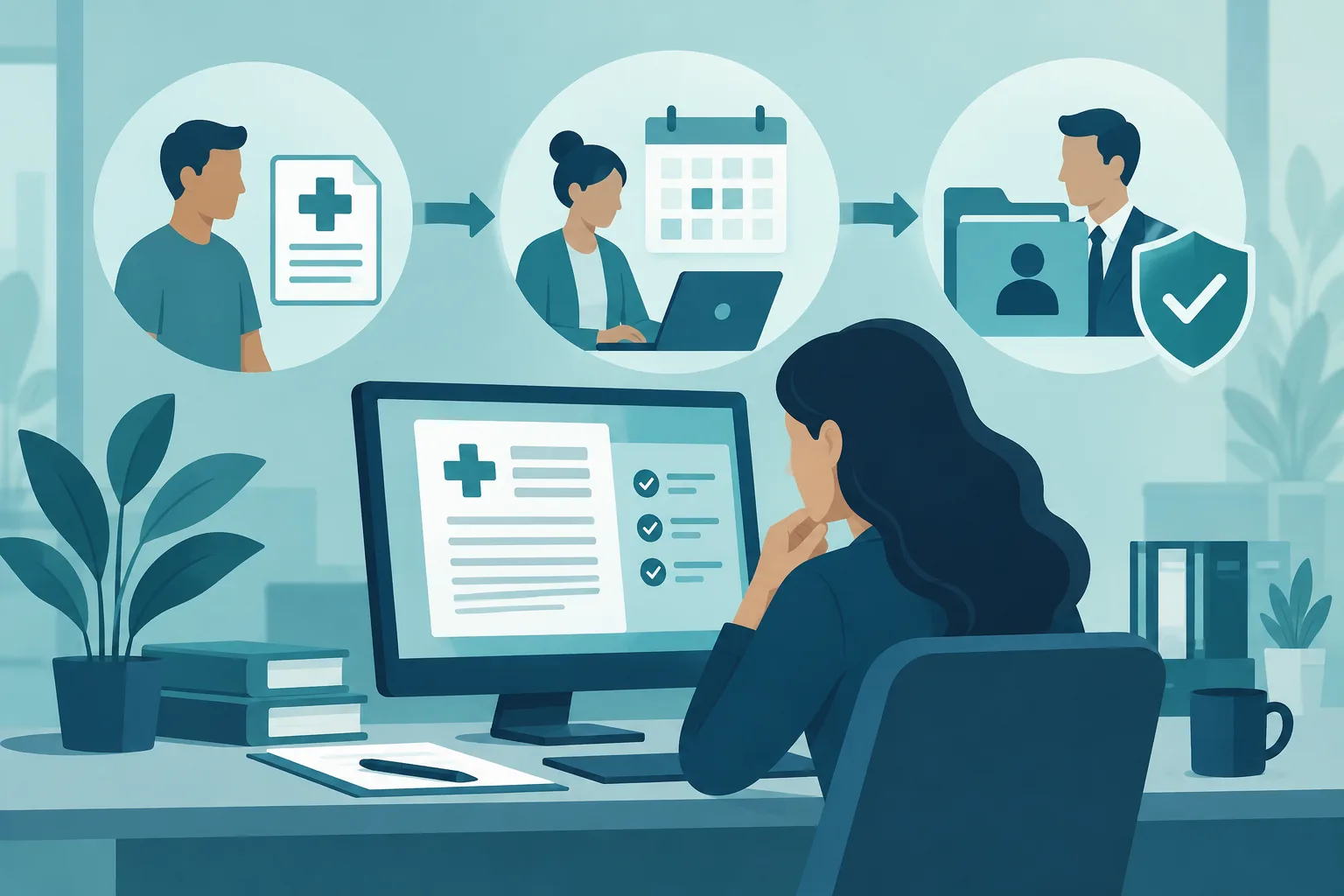
A September EEOC settlement highlights medical-leave handoff risks. Learn how HR teams can improve vendor oversight, attendance controls, and data privacy.
Category
39 articles in this category
AnalysisNewA September EEOC settlement highlights medical-leave handoff risks. Learn how HR teams can improve vendor oversight, attendance controls, and data privacy.
 Analysis
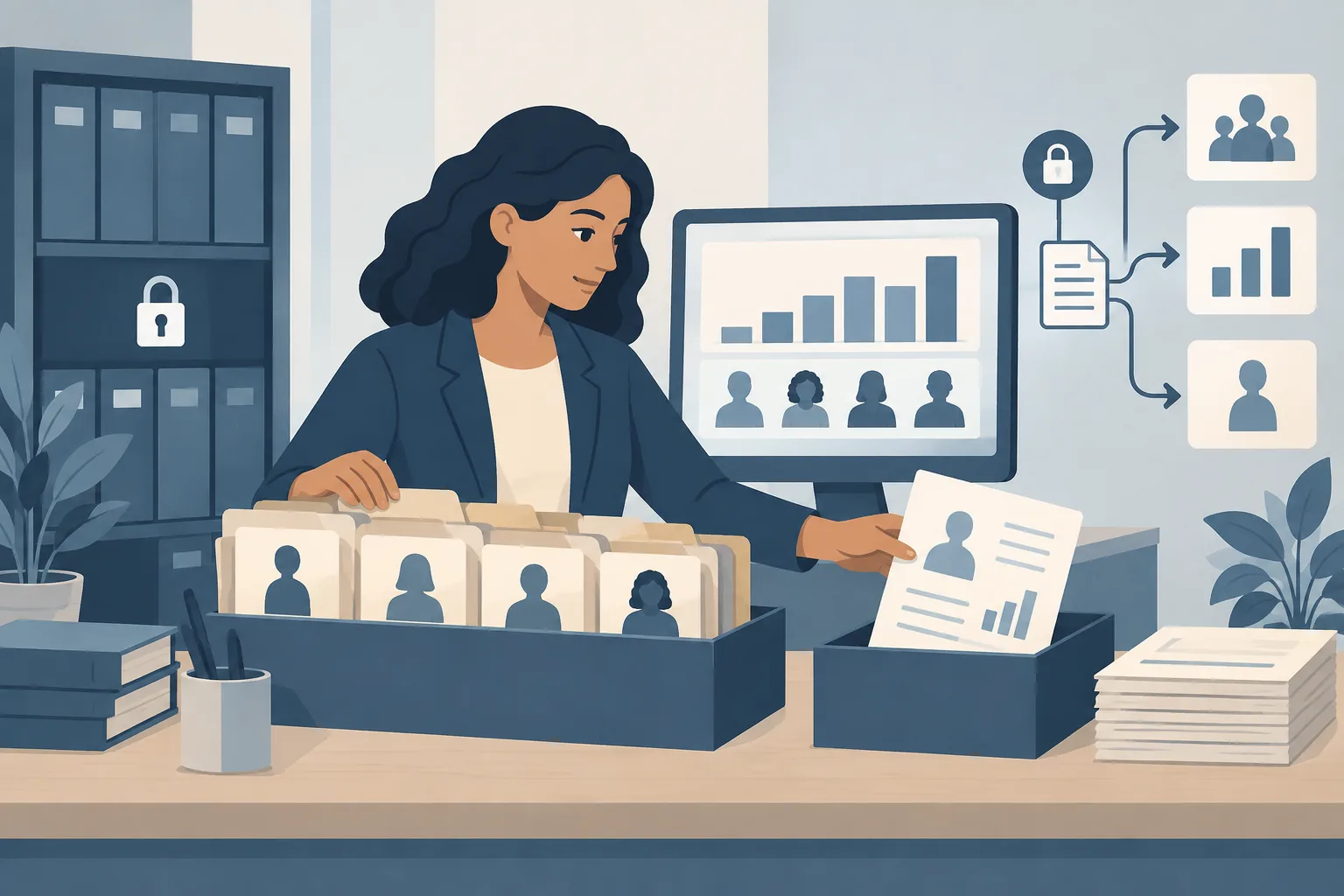
The EEOC has proposed rescinding EEO-1 reporting requirements, but state-level pay data mandates and anti-discrimination recordkeeping remain. Here's how HR teams should adapt their data operations.
 Analysis
San Francisco's amended Fair Chance Ordinance, effective August 10, 2026, adds new restrictions on out-of-state criminal records and doubles penalties. Here's how HR teams should respond.
 Analysis
In May 2026 the DOL issued four FLSA opinion letters (FLSA2026-5 through -8) on dual-role exemptions, bonus overtime calculations, meal breaks, and time rounding, followed by two travel-time letters in July. Here's how HR teams should update payroll and timekeeping systems.
 Analysis
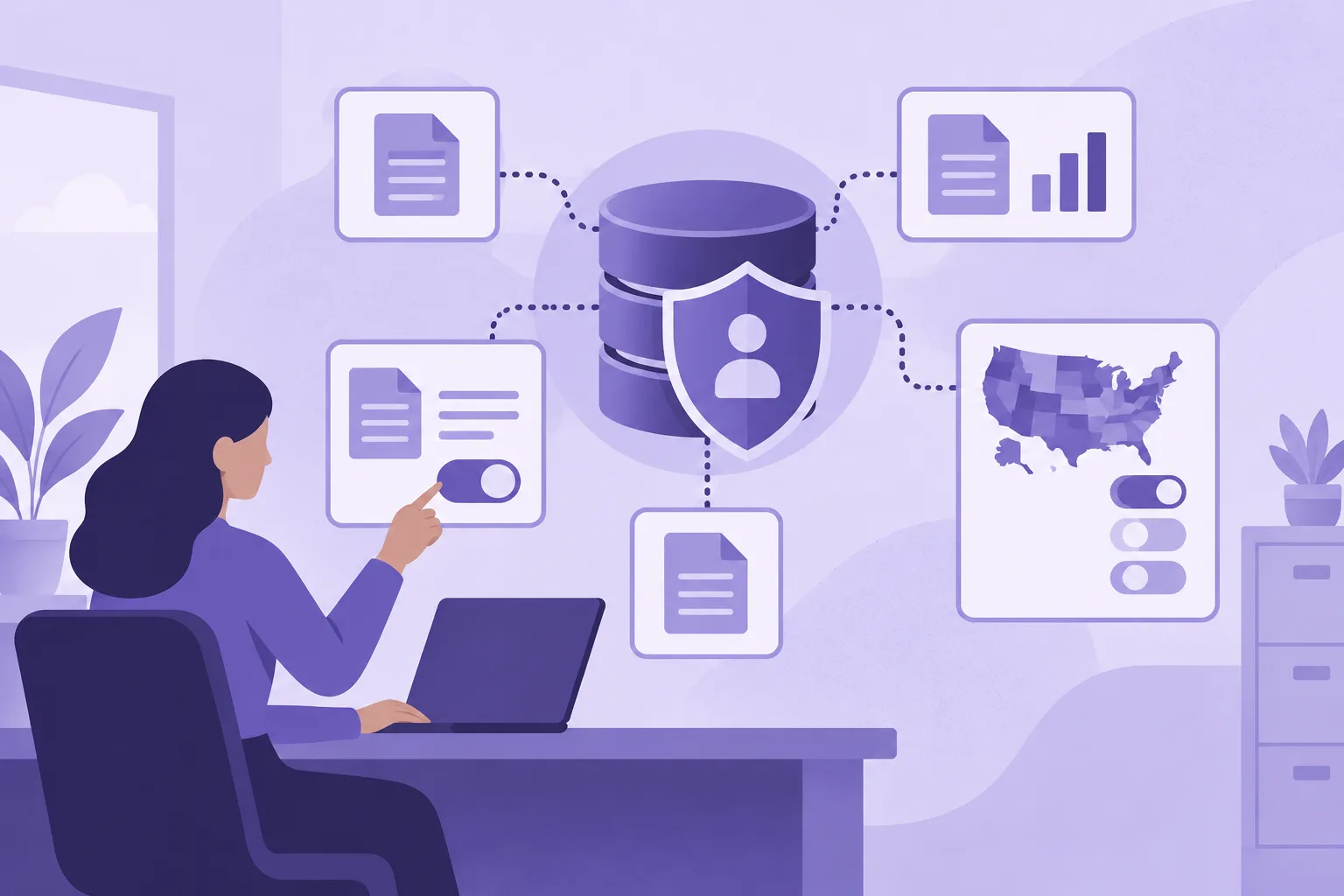
The EEOC's July 2026 NPRM to rescind EEO-1 demographic reporting requirements could reshape HR compliance technology. Learn the timeline, state obligations that remain, and how to prepare your systems.
 Analysis
New Jersey's expanded Family Leave Act took effect July 17, 2026, lowering employer coverage to 15 employees, cutting eligibility requirements, and adding TDI/FLI job protection. Here's the HR operations playbook for compliance.
 Analysis
Major HR technology vendors are launching agentic AI compliance platforms that autonomously monitor regulations, flag risks, and execute multi-step workflows. Here's what employers should understand about this shift and how to evaluate these tools.
 Analysis
Review Maine pay-range disclosures, Connecticut warehouse quota requirements, and Virginia pay-posting rules, with practical steps for HR teams implementing the July 2026 changes.
 Analysis
DOL proposes revising its independent-contractor analysis for the FLSA, FMLA, and MSPA. Learn how HR teams can prepare without replacing current legal obligations with a proposed test.
 Analysis
Colorado repealed its landmark AI Act (SB 24-205) and replaced it with SB 26-189, a narrower framework focused on automated decision-making technology. Here's what changed, what employers must do, and how compliance technology can help navigate the new multi-state AI landscape.
 Analysis
The Department of Labor's May 2026 technical amendment restored the $684/week overtime exemption salary threshold. Here's what HR operations teams need to know about reclassification, payroll adjustments, and multi-state compliance.
 Analysis
OSHA's expanded electronic injury reporting rule now requires detailed Form 300 and 301 submissions for high-hazard employers. Here's how HR operations teams can build a year-round process to stay compliant.
 Analysis
The EEOC released its National Enforcement Plan for FY 2025–2029 on June 4, 2026, signaling heightened scrutiny of DEI programs. Here's what employers need to know and do now.
 Analysis
New comprehensive data privacy laws in Indiana, Kentucky, and Rhode Island took effect January 1, 2026, bringing the total to 20 states with active privacy statutes. Here's what HR operations teams need to know about employee data compliance.
 Analysis
NIOSH's new algorithmic hygiene guidance reframes AI as an occupational hazard modifier. Learn how compliance technology helps employers assess, monitor, and control AI-related workplace risks under this framework.
 Analysis
The EEOC's 2026 telework accommodation FAQs clarify employer obligations when return-to-office policies conflict with disability accommodation requests. Here is what HR teams need to know about the interactive process, essential functions, and legal risk.
 Analysis
The EEOC has filed multiple subpoena enforcement actions demanding detailed employee data from major employers. Here's how HR teams can build the data governance and document production processes needed to respond effectively.
 Analysis
The EEOC filed a landmark lawsuit against The New York Times alleging race and sex discrimination in a promotion decision tied to DEI goals. Here is what the case means for employer promotion practices, diversity initiatives, and Title VII compliance.
 Analysis
The EEOC filed suit against The New York Times in May 2026 alleging DEI-related discrimination, escalating its enforcement campaign from guidance to active litigation. Here is what employers need to know.
 Analysis
The EEOC filed a landmark lawsuit against The New York Times alleging race and sex discrimination in a promotion decision driven by DEI goals. Here is what employers need to know about the legal risks of diversity-motivated employment decisions.
 Analysis
OSHA's updated Hazard Communication Standard aligned with GHS Revision 7 reaches its first major compliance deadline on May 19, 2026. Learn what changed, who is affected, and how compliance technology helps employers manage SDS updates, label changes, and employee training at scale.
 Analysis
The May 19, 2026 HazCom compliance deadline for chemical manufacturers has passed. Employers now have until November 20, 2026 to update workplace labels, written programs, and employee training under OSHA's revised Hazard Communication Standard.
 Analysis
Recent OSHA enforcement actions show employers facing six-figure penalties for retaliating against workers who report safety concerns. Here's how HR teams can build compliant anti-retaliation programs.
 Analysis
ICE's March 2026 guidance reclassifies many routine Form I-9 errors as substantive violations subject to immediate fines. Here's what changed and how HR operations teams should respond.
 Analysis
Executive Order 14398 required federal agencies to insert anti-DEI discrimination clauses into contracts by April 25, 2026. Here's what the new mandate means and how contractors should respond.
 Analysis
State workplace violence prevention laws are expanding beyond California. Here's what HR operations teams should know about new requirements in New York and other states, and how to build a compliant prevention program before the next deadline hits.
 Analysis
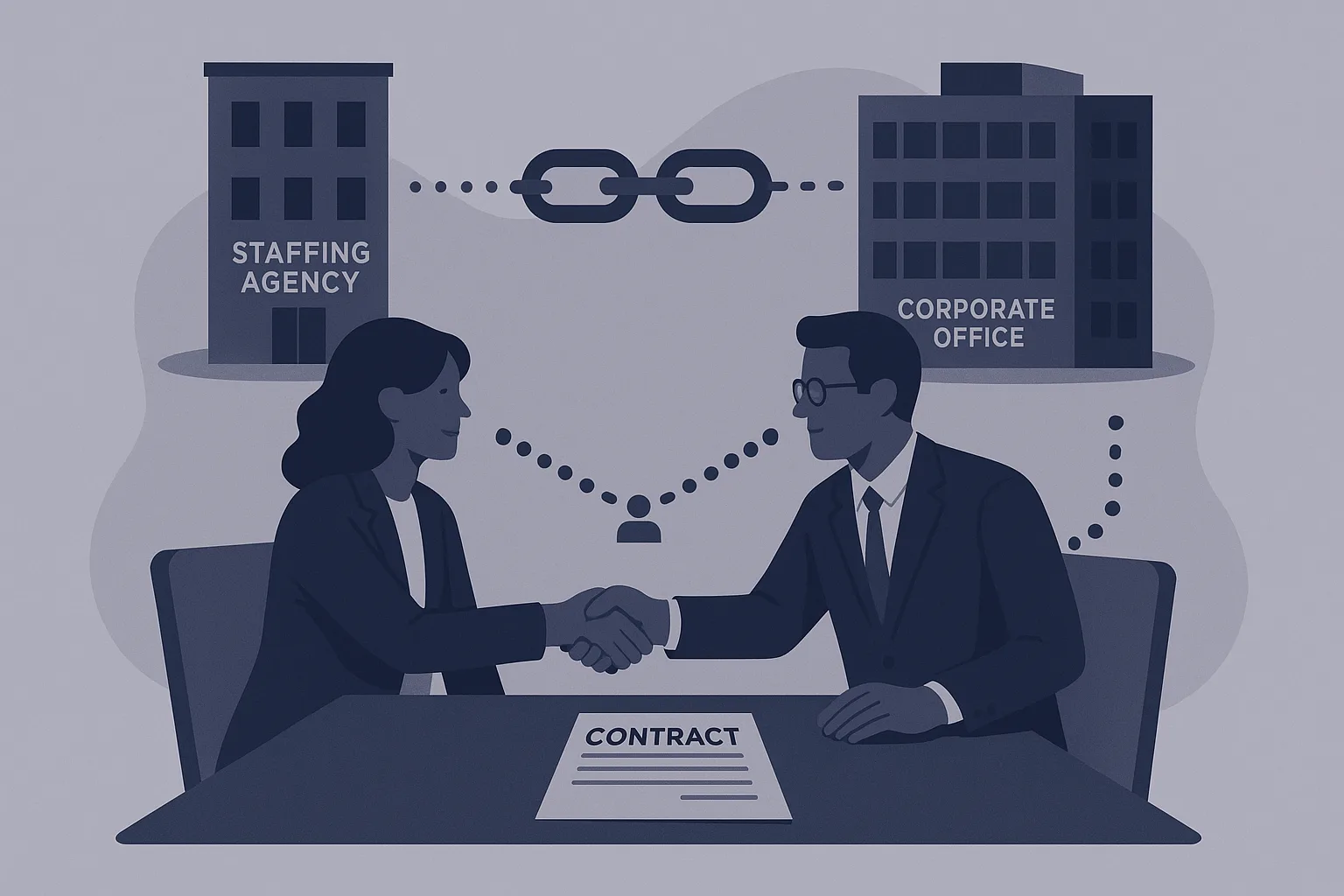
The Department of Labor published a proposed rule on April 23, 2026, establishing a unified four-factor test for joint employer status under the FLSA, FMLA, and MSPA. Here's what it means for HR teams managing staffing agencies, contractors, and franchise relationships.
 Analysis
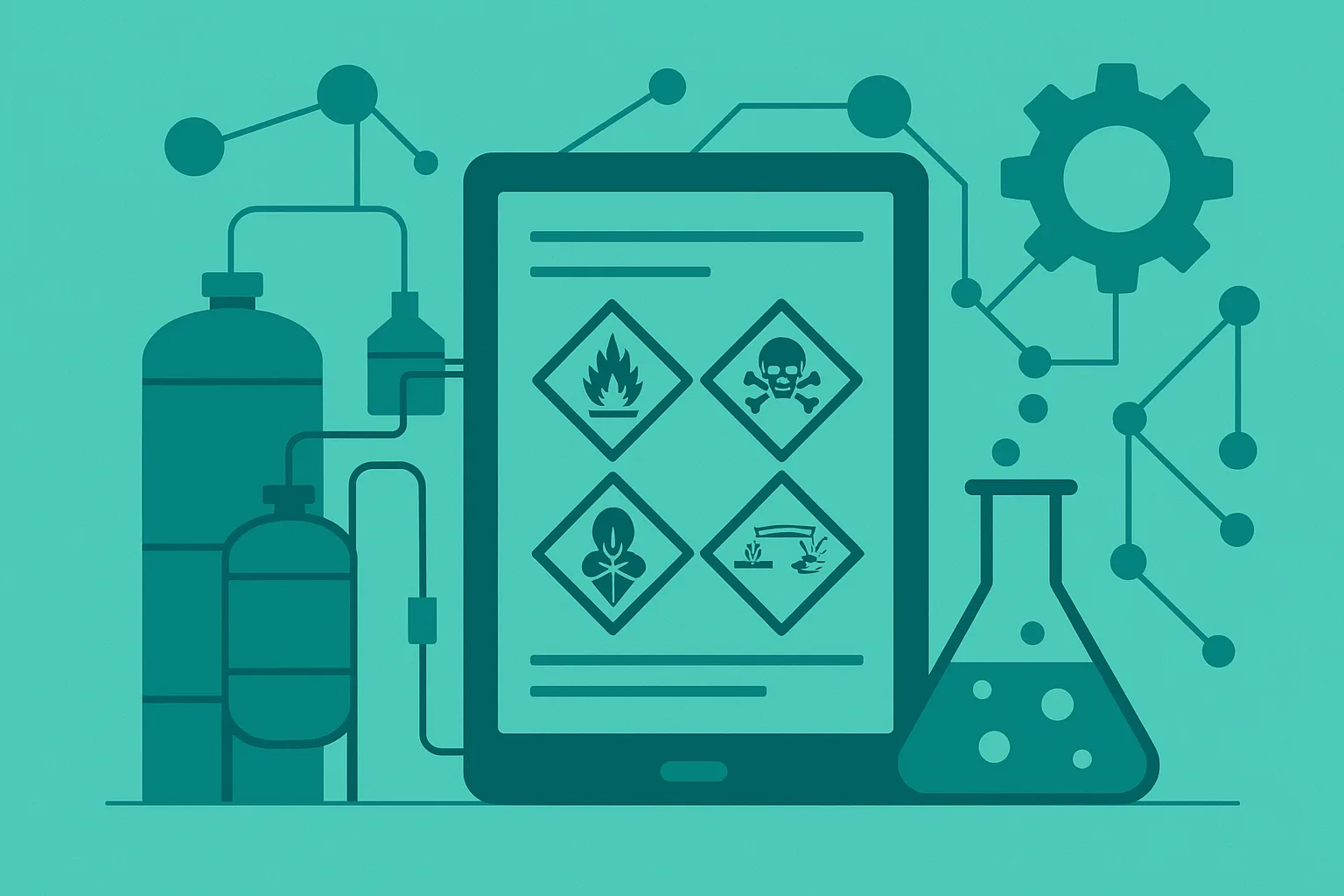
The May 19, 2026 deadline for OSHA's updated Hazard Communication Standard is less than a month away. Learn what changed, why HazCom remains OSHA's #2 most-cited violation, and how compliance technology helps employers manage the transition.
 Analysis
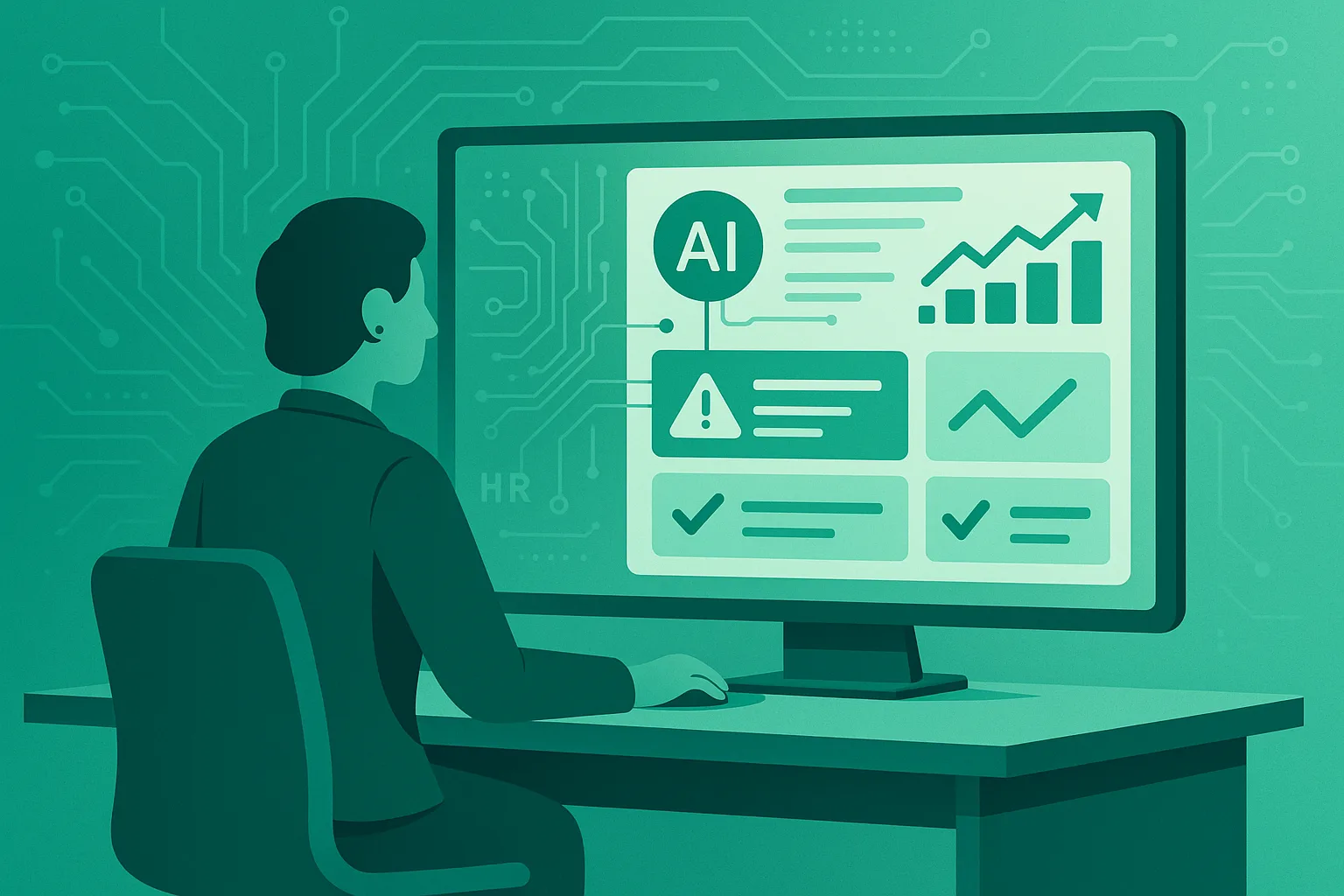
From Vensure's new AI compliance platform to the DOL's AI Literacy Framework, 2026 is the year AI-powered tools are reshaping how employers manage HR compliance. Here's what's driving the shift and how to evaluate these systems.
 Analysis
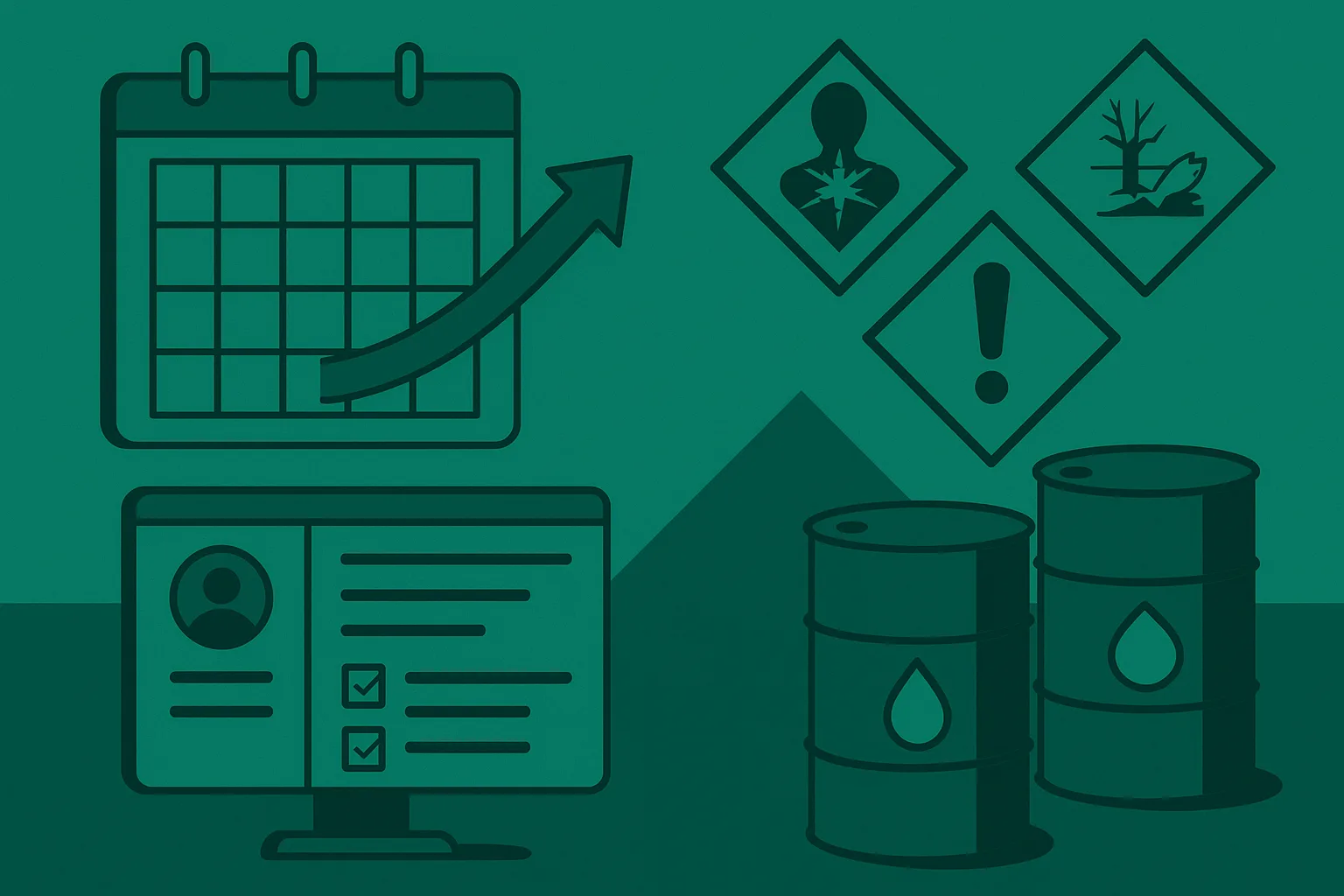
OSHA's four-month extension of the updated Hazard Communication Standard gives employers until November 20, 2026 to comply with GHS Revision 7. Learn what changed, what the new deadlines mean, and how compliance technology can streamline the transition.
 Analysis
The EEOC's FY 2025 performance report shows record-breaking pre-litigation recoveries and a sharpened enforcement focus. Here's what the numbers mean and what employers should do now.
 Analysis
New state laws in California, Illinois, and Washington are broadening employee access to personnel records and training documentation. Here's what HR teams should do to stay compliant.
 Analysis
The Department of Labor and National Science Foundation announced TechAccess: AI-Ready America, a $224 million initiative to create AI workforce training hubs in every U.S. state. Learn what it means for employers and how to align your training programs.
 Analysis
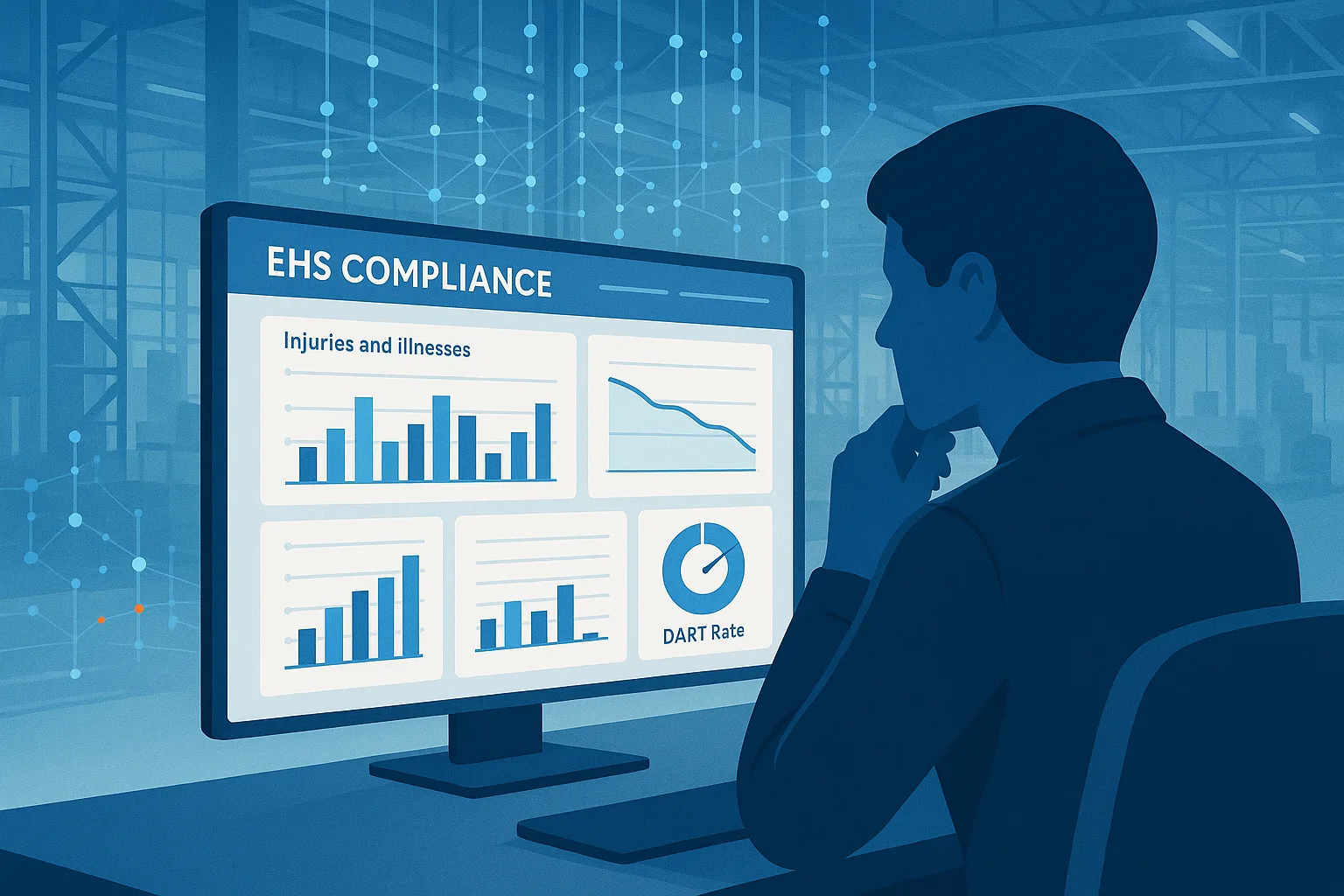
OSHA's expanded electronic recordkeeping requirements and Site-Specific Targeting program use employer-submitted data to trigger inspections. Learn how compliance technology helps employers manage this new data-driven enforcement landscape.
 Analysis
Illinois and New York City already regulate AI in employment decisions, and Colorado's AI Act takes effect June 30, 2026. Learn about bias audits, notice requirements, and multi-state compliance strategies for HR teams.
 Analysis
The EEOC voted 2-1 to rescind its comprehensive 2024 harassment guidance. Here's what changed, what didn't, and the steps employers should take to stay compliant.
 Analysis
Employee medical information needs careful handling. Learn what HR can collect, where to store it, who can access it, and how ADA and HIPAA rules actually apply in the workplace.
 Analysis
The EEOC has sharply increased its focus on DEI-related discrimination under Title VII. Employers need to understand what has changed, what the agency is targeting, and how to audit workplace programs for compliance.
 Analysis
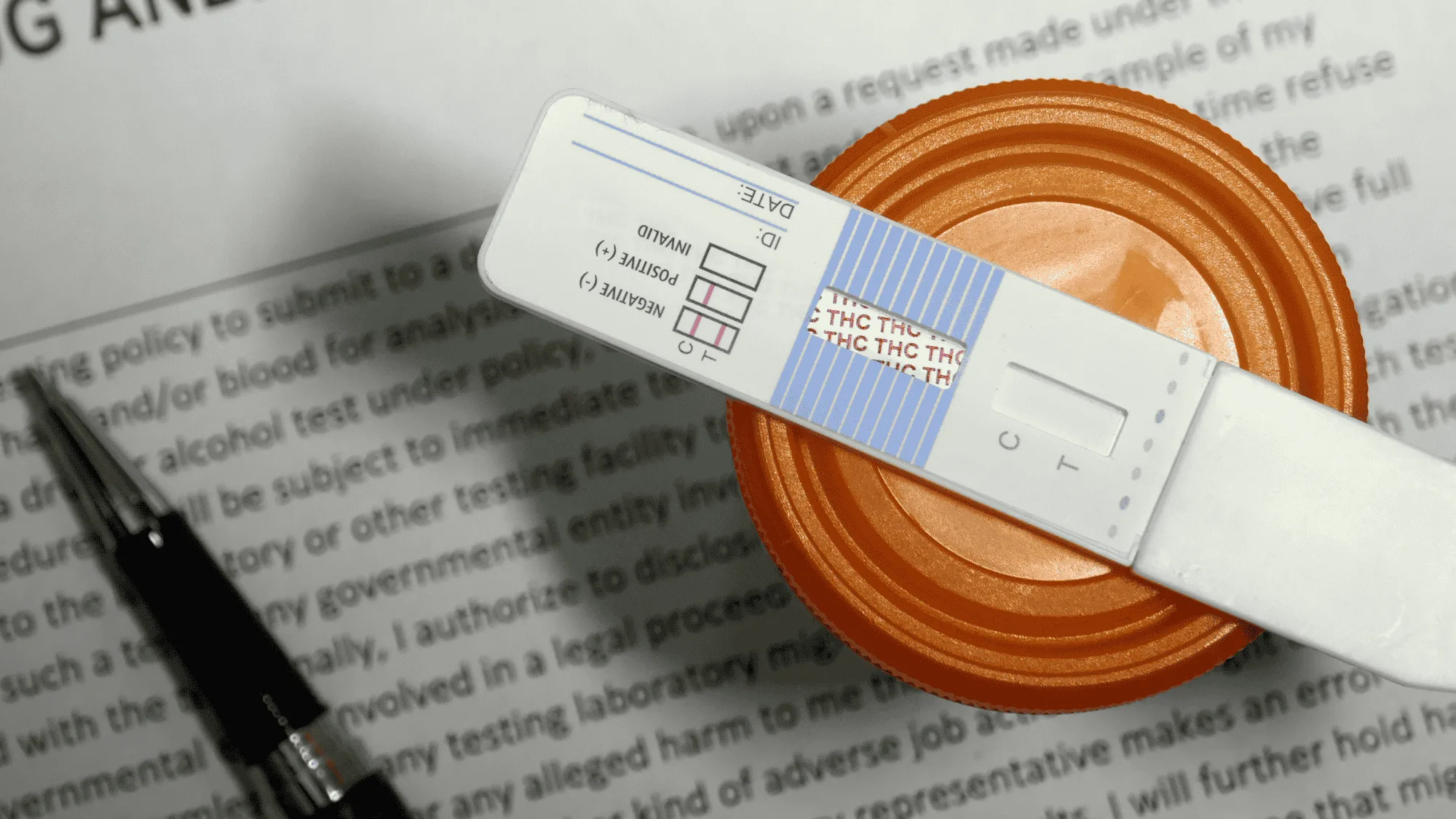
Many employers have a drug-free workplace policy, but fewer have one that is clear, current, and built for the way their workforce actually operates. Here is what to look for and fix.