 AnalysisNew
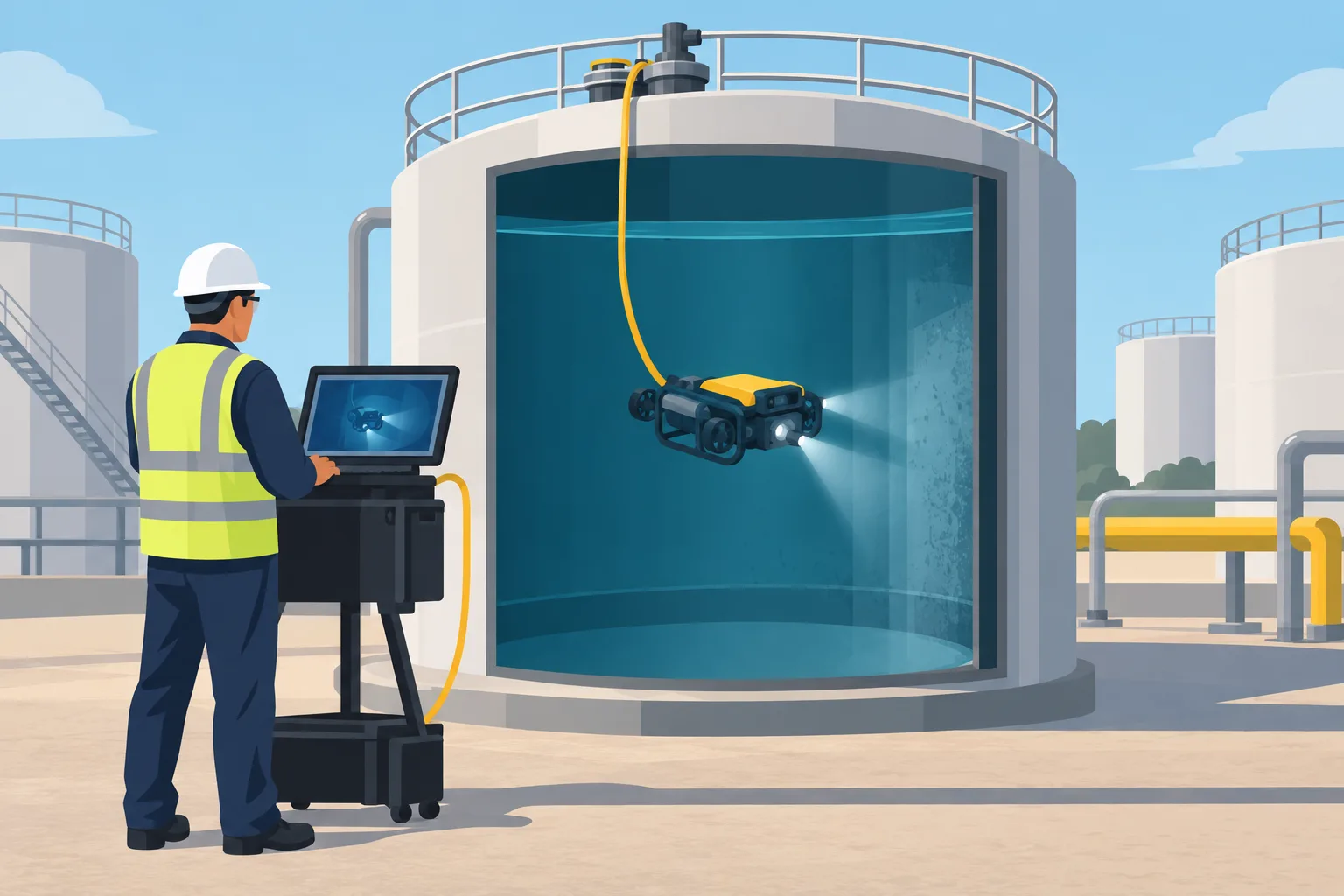
NIOSH’s 2026 Design Award: Preventing Exposure Before Workers Enter Tanks
NIOSH’s 2026 Prevention through Design award highlights robotic tank inspections. Learn how employers can prevent exposure while maintaining OSHA safeguards.
Expert insights on workplace compliance, occupational health, and HR technology.
Browse by tag →AnalysisNewNIOSH’s 2026 Prevention through Design award highlights robotic tank inspections. Learn how employers can prevent exposure while maintaining OSHA safeguards.
 AnalysisNew
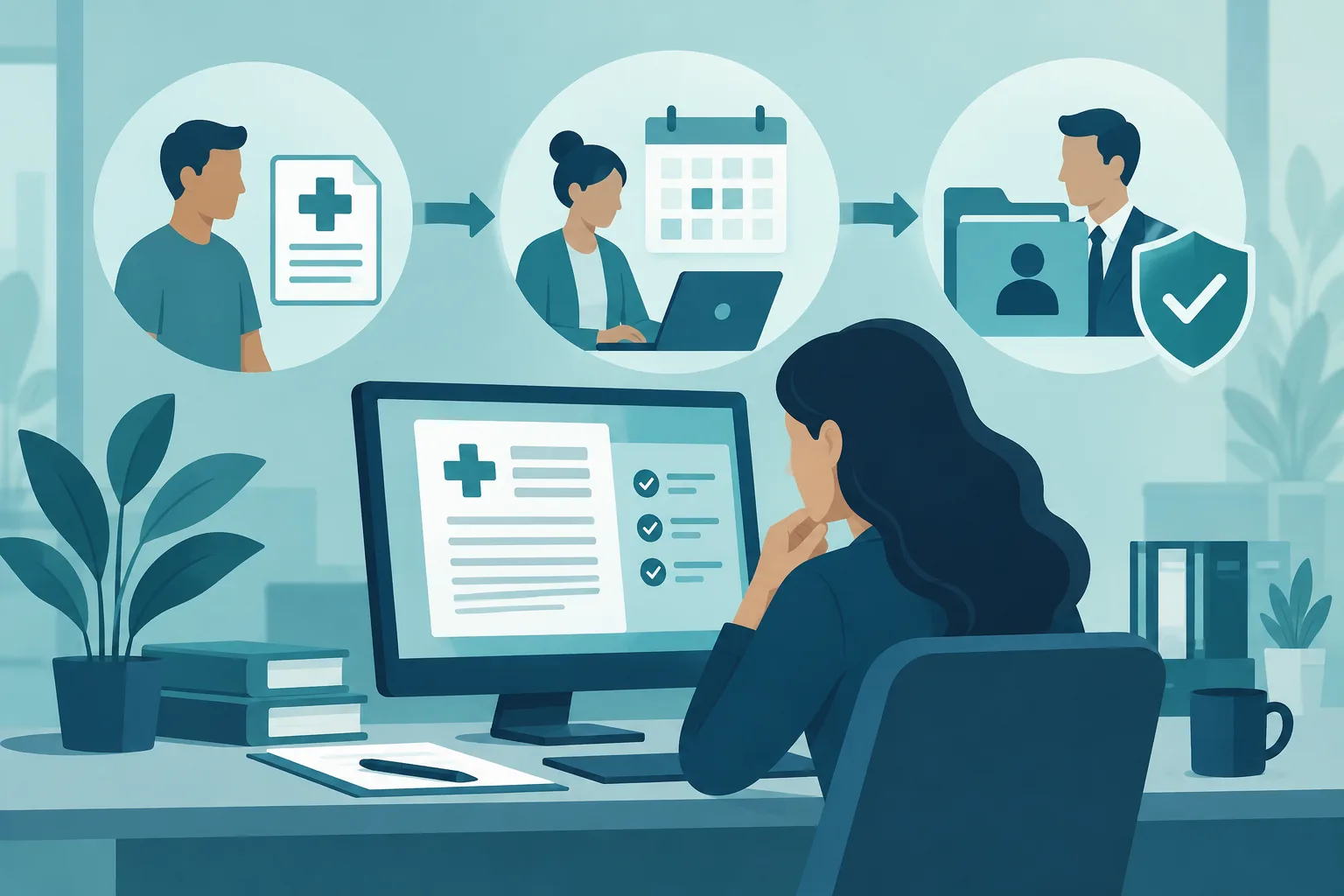
A September EEOC settlement highlights medical-leave handoff risks. Learn how HR teams can improve vendor oversight, attendance controls, and data privacy.
 Analysis
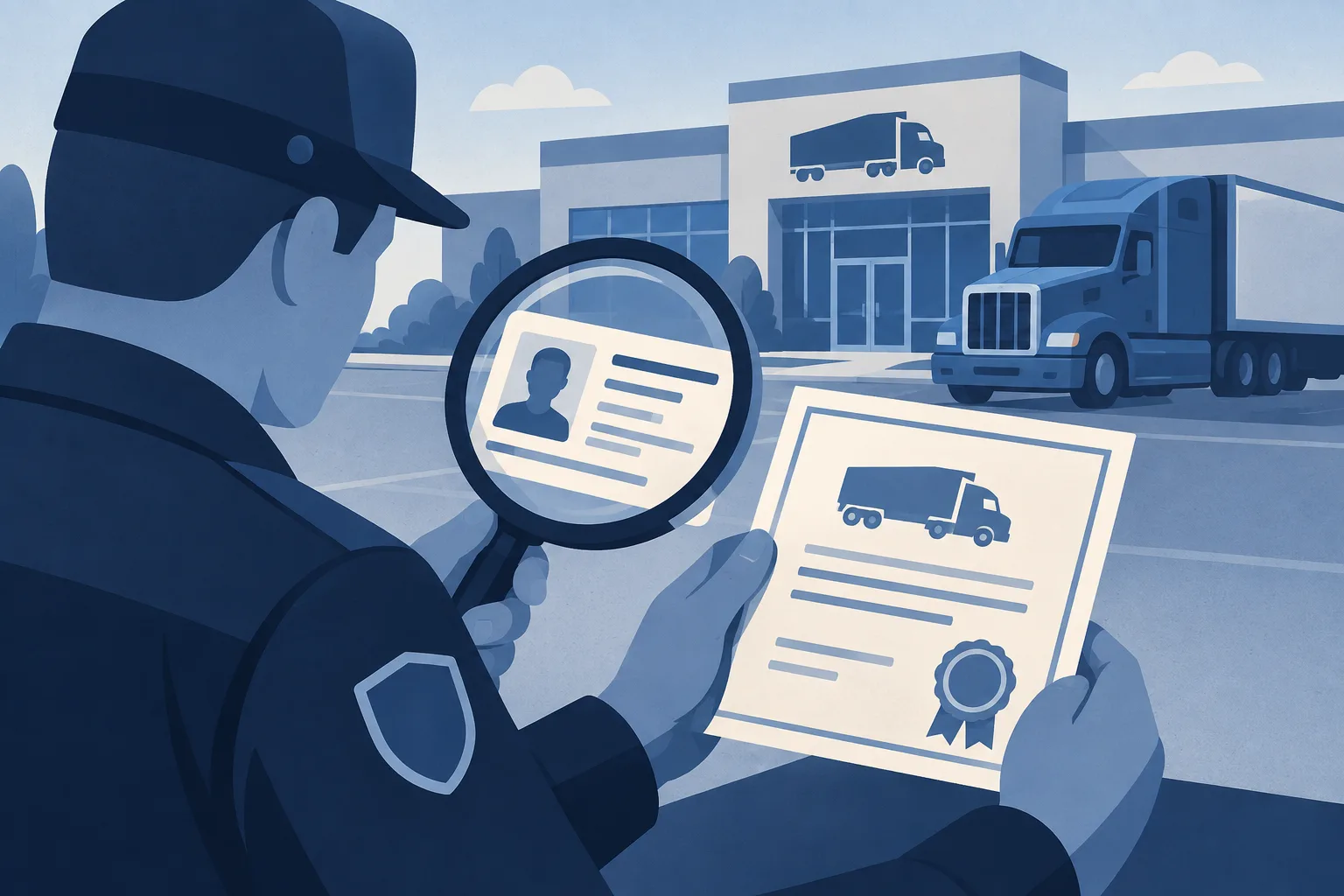
DOT, DHS, and DOJ announced emergency removal of 110-plus CDL training providers, 160-plus proposed removals, and a 23-state enforcement sweep targeting fraudulent commercial driver licensing. Here is what motor carriers and DOT-regulated employers need to do now.
 Analysis
The EEOC has proposed rescinding EEO-1 reporting requirements, but state-level pay data mandates and anti-discrimination recordkeeping remain. Here's how HR teams should adapt their data operations.
 Analysis
CVSA Brake Safety Week and Operation Highway Shield highlight an aggressive federal push to remove unsafe trucks and unqualified drivers from U.S. roads. Here is what motor carriers need to know.
 Analysis
The EEOC voted to rescind its longstanding affirmative action guidelines under Title VII, eliminating a key safe harbor for employers. Here's what changed, what it means, and how to update your policies.
 Analysis
San Francisco's amended Fair Chance Ordinance, effective August 10, 2026, adds new restrictions on out-of-state criminal records and doubles penalties. Here's how HR teams should respond.
 Analysis
The November 20, 2026 employer compliance deadline for OSHA's revised Hazard Communication Standard is just three months away. Learn what's required, what's changed, and how to prepare your workplace.
 Analysis
Over 200,000 CDL holders are in prohibited status in the FMCSA Drug & Alcohol Clearinghouse as automatic CDL downgrades take effect nationwide. Here's what motor carriers must do to stay compliant.
 Analysis
OSHA has renewed its National Emphasis Program for warehouse and distribution center safety, extending comprehensive inspections through 2031. Here's what changed, what stayed, and how employers should prepare.
 Analysis
OSHA's Safe + Sound Week runs August 10–16, 2026. Learn how employers can use this annual event to build stronger safety cultures, engage workers, and prepare for upcoming heat illness prevention requirements.
 Analysis
FMCSA has signaled a landmark NPRM on autonomous truck safety for 2026, and the BUILD America 250 Act would create the first federal framework for ADS-equipped CMVs. Here is what motor carriers and fleet operators should know and how to prepare.
 Analysis
In May 2026 the DOL issued four FLSA opinion letters (FLSA2026-5 through -8) on dual-role exemptions, bonus overtime calculations, meal breaks, and time rounding, followed by two travel-time letters in July. Here's how HR teams should update payroll and timekeeping systems.
 Analysis
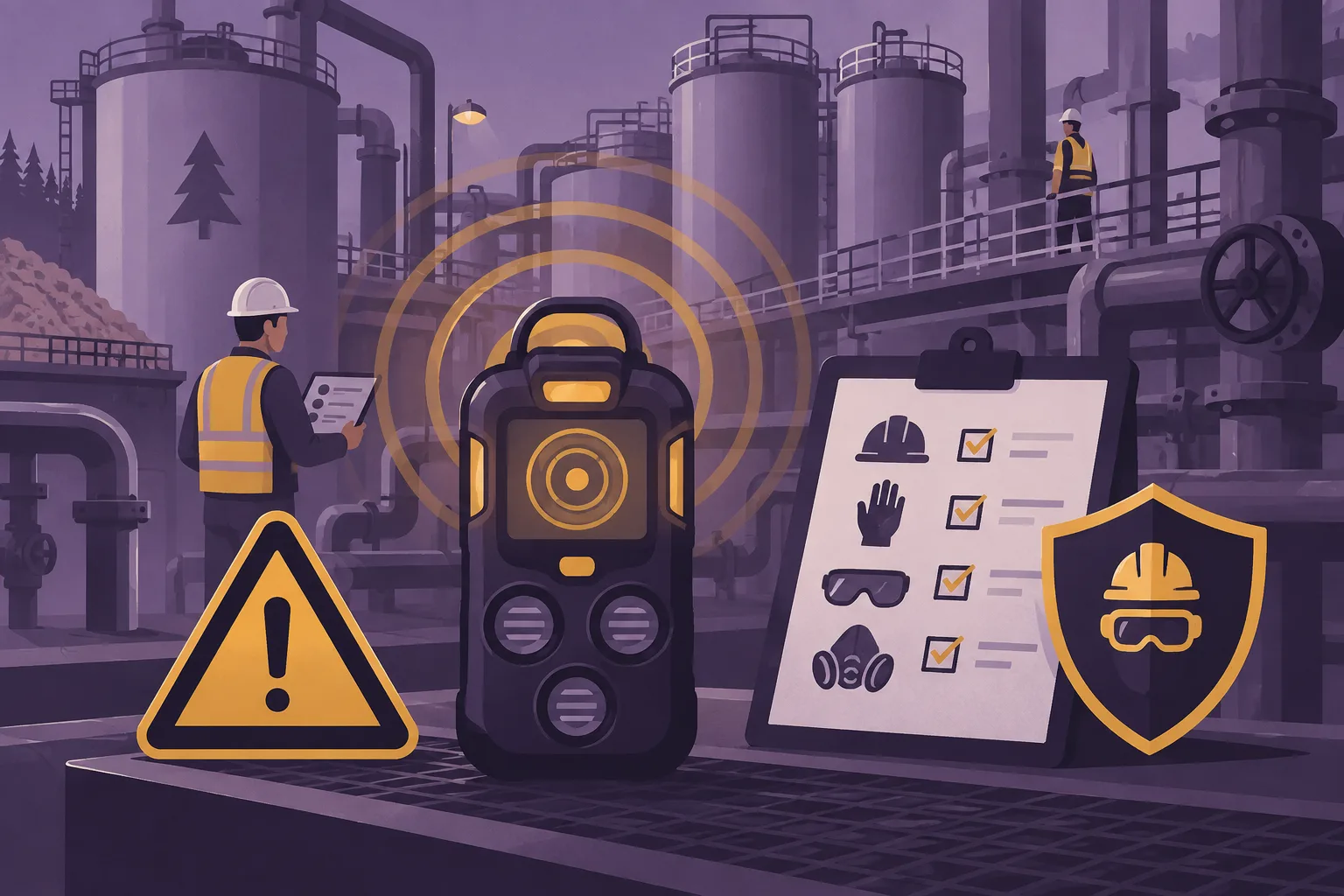
OSHA issued $794,456 in penalties against Woodland Pulp LLC after a fatal hydrogen sulfide release killed two workers during a cold weather shutdown. Learn what went wrong and what employers must do to prevent chemical exposure tragedies.
 Analysis
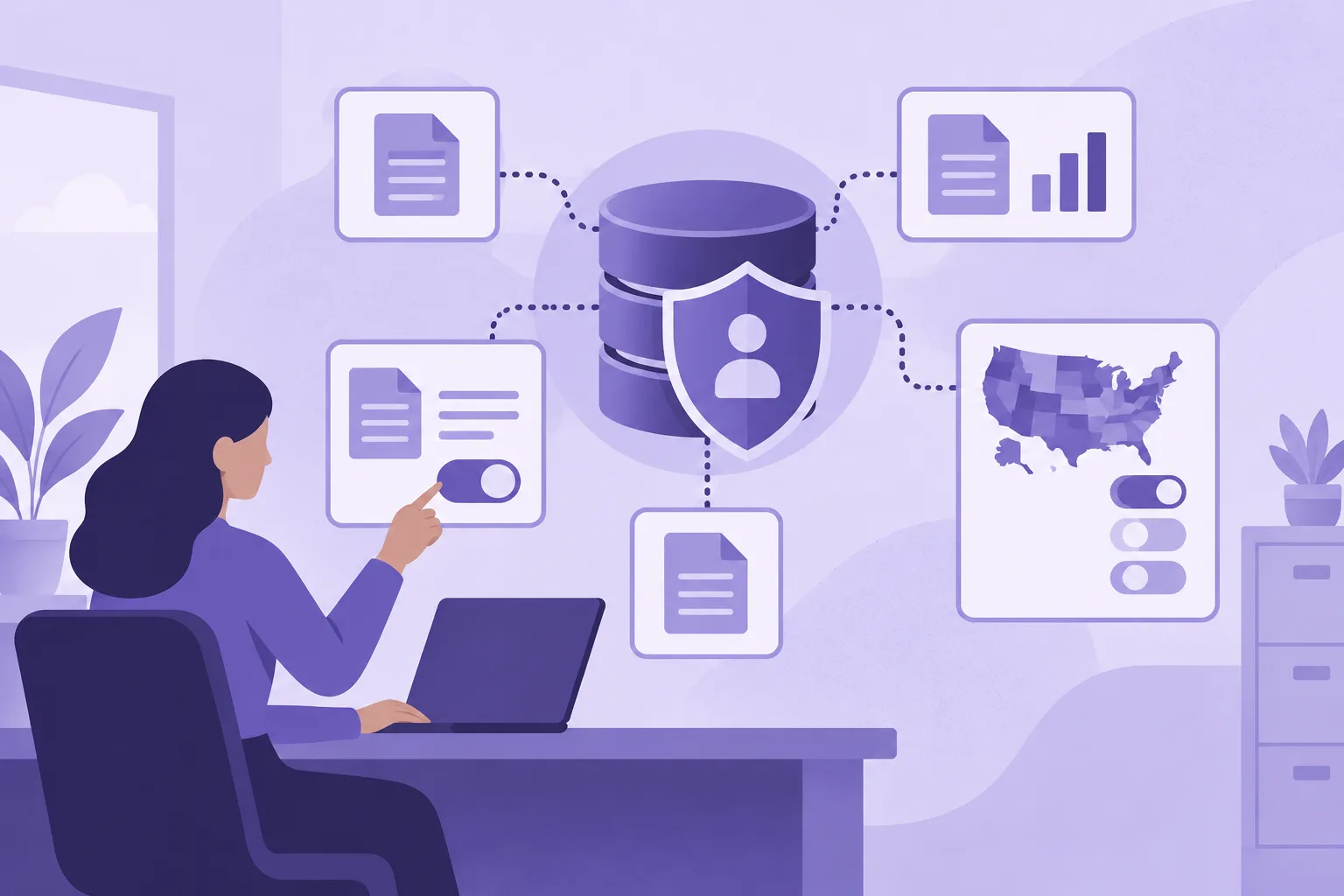
The EEOC's July 2026 NPRM to rescind EEO-1 demographic reporting requirements could reshape HR compliance technology. Learn the timeline, state obligations that remain, and how to prepare your systems.
 Analysis
CDC data show emergency room visits for tick bites in 2026 are the highest for this time of year since 2017 in most regions. NIOSH's July 2026 guidance urges employers to protect outdoor workers from Lyme disease, alpha-gal syndrome, and other tickborne illnesses. Here's what employers need to know.
 Analysis
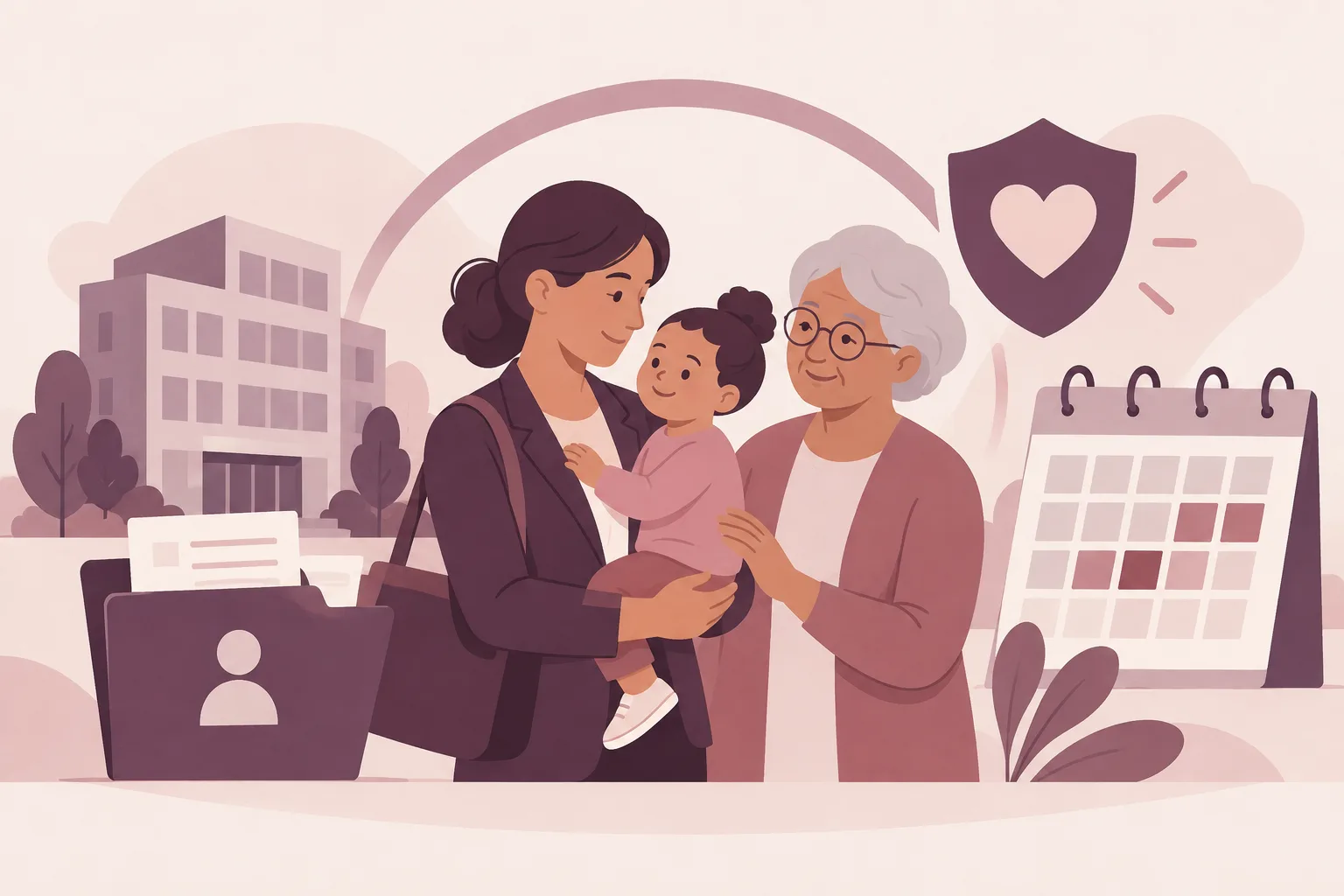
New Jersey's expanded Family Leave Act took effect July 17, 2026, lowering employer coverage to 15 employees, cutting eligibility requirements, and adding TDI/FLI job protection. Here's the HR operations playbook for compliance.
 Analysis
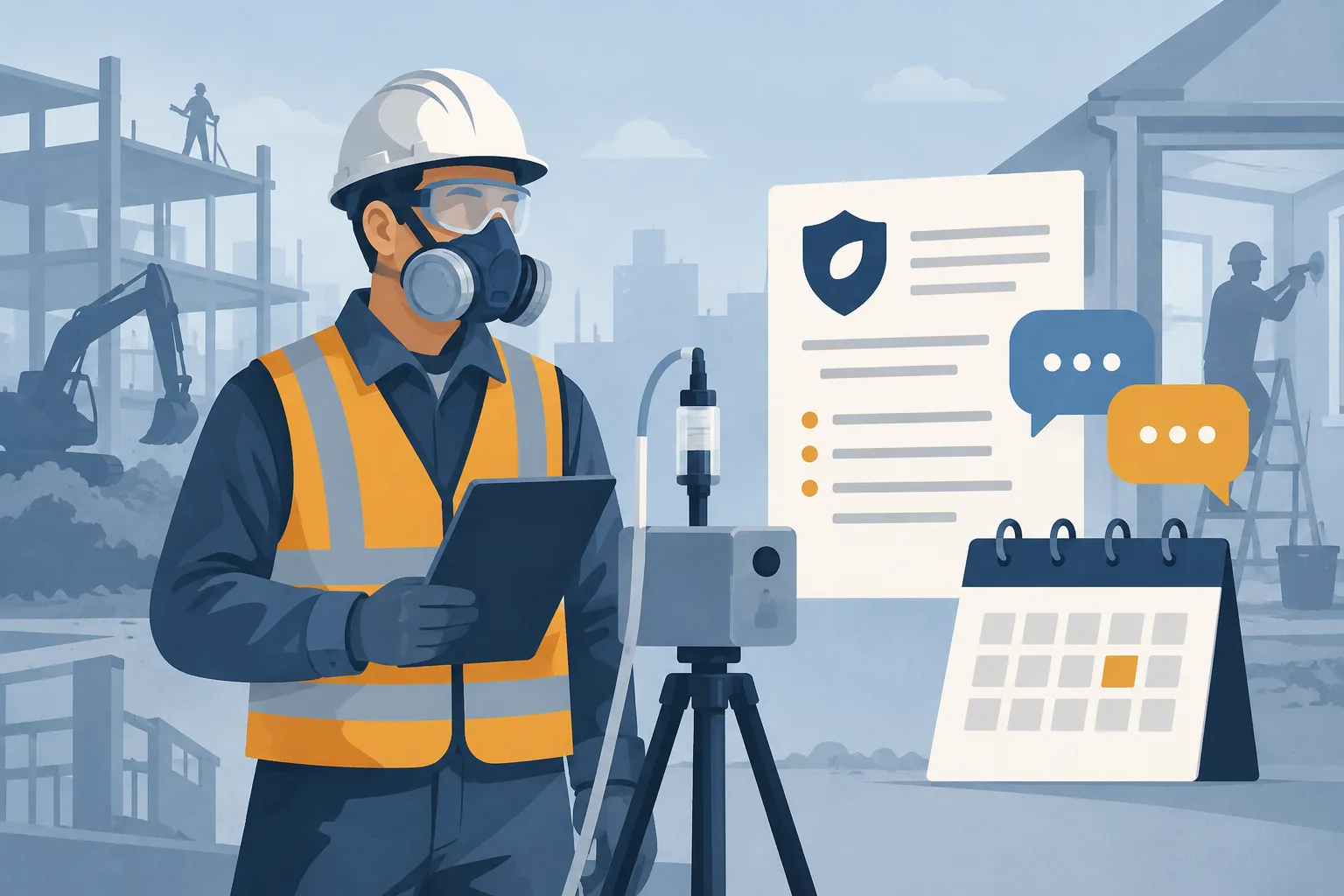
OSHA reopened the public comment period on its proposed lead standards revision following ACCSH review. Employers in construction and general industry had until August 21, 2026, to submit comments on changes to respiratory protection requirements under 29 CFR 1910.1025 and 1926.62.
 Analysis
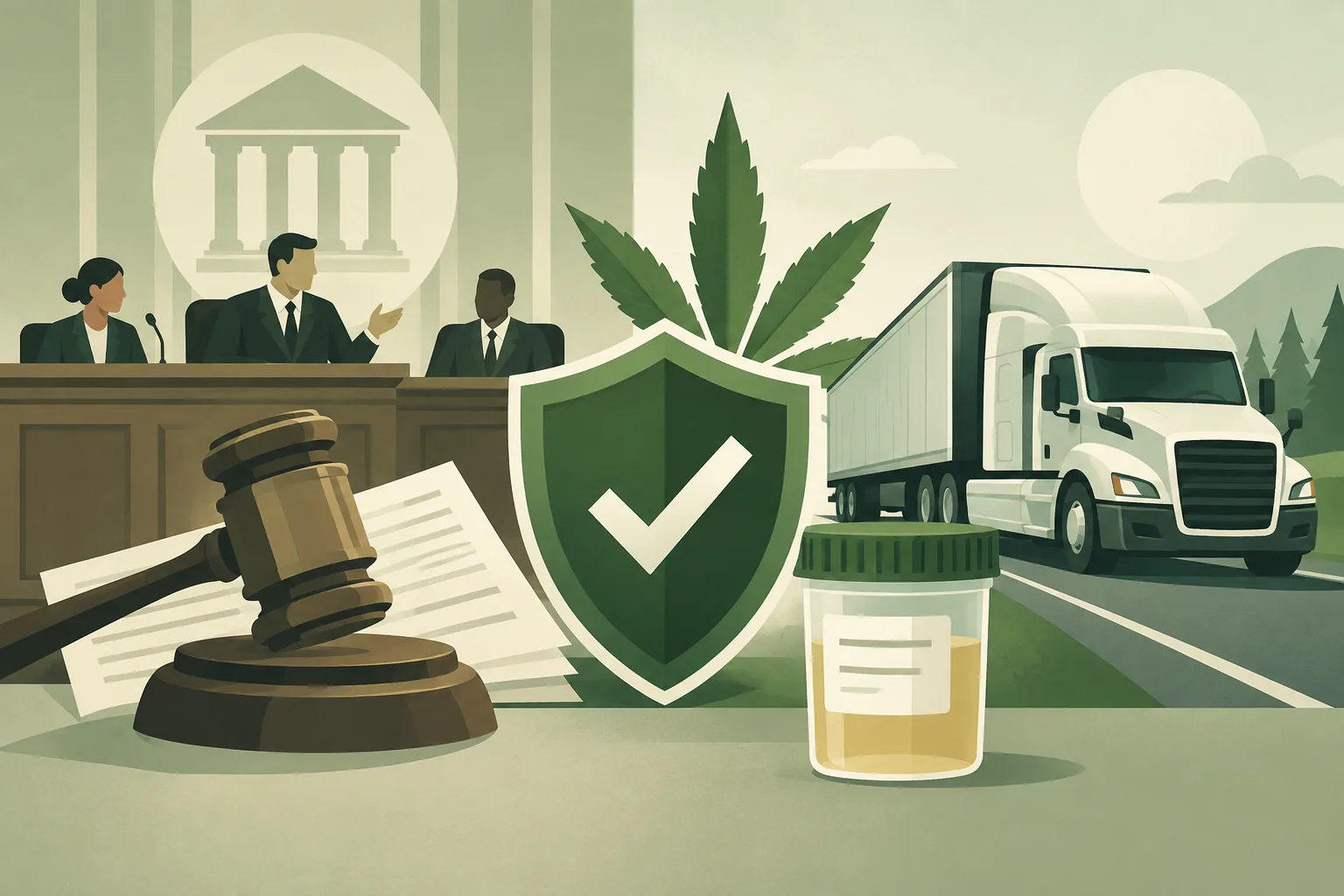
The DEA's historic hearing on rescheduling recreational marijuana to Schedule III ended July 15, 2026. Here is what motor carriers and CDL employers need to know about the timeline ahead, DOT's unchanged zero-tolerance stance, and the testing authority question that could reshape compliance.
 Analysis
Major HR technology vendors are launching agentic AI compliance platforms that autonomously monitor regulations, flag risks, and execute multi-step workflows. Here's what employers should understand about this shift and how to evaluate these tools.
 Analysis
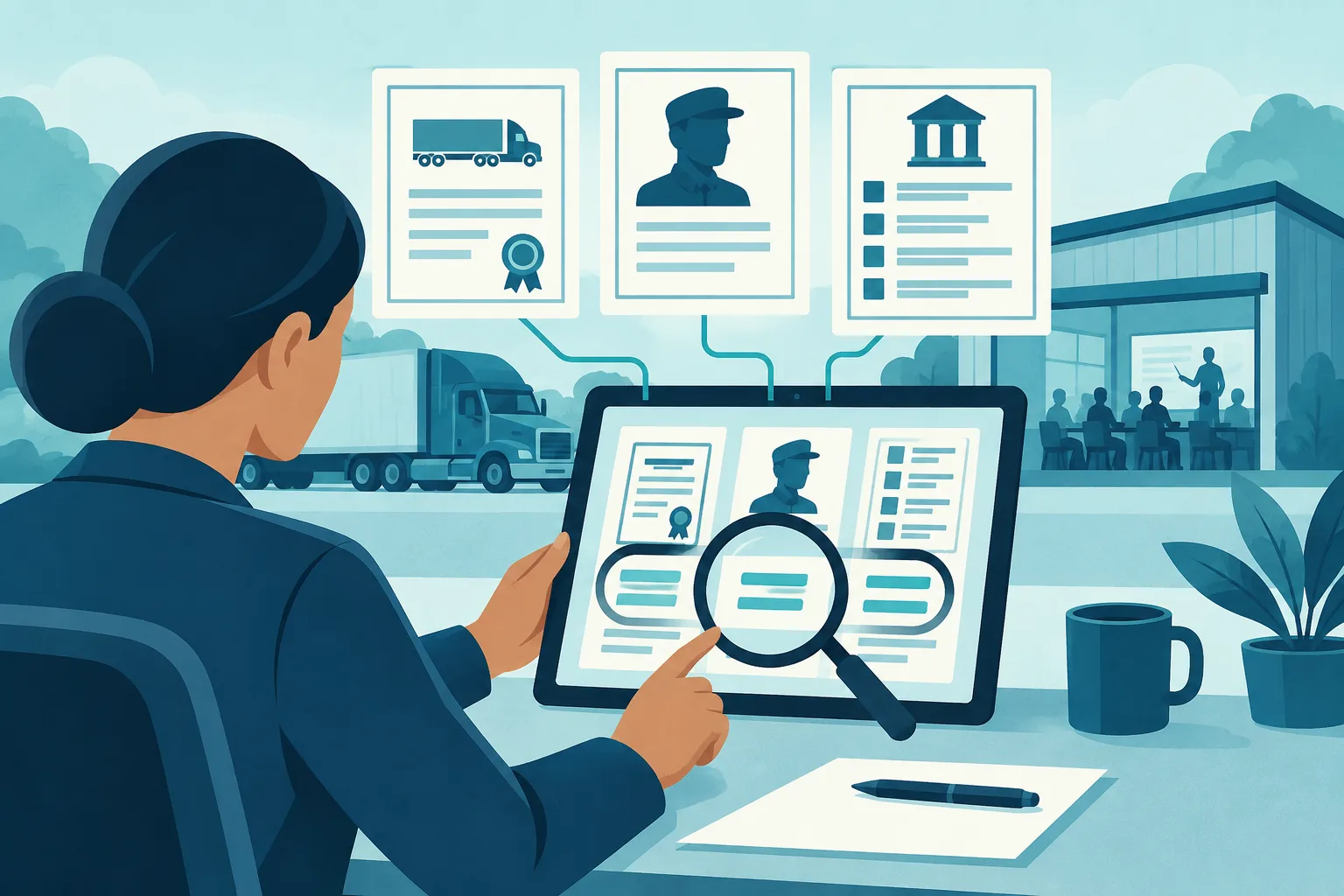
DHS and DOT announced investigations involving about 75 suspected CDL training schools in July 2026. Review ELDT applicability, provider records, and practical credential-verification steps without assuming every license is invalid.
 Analysis
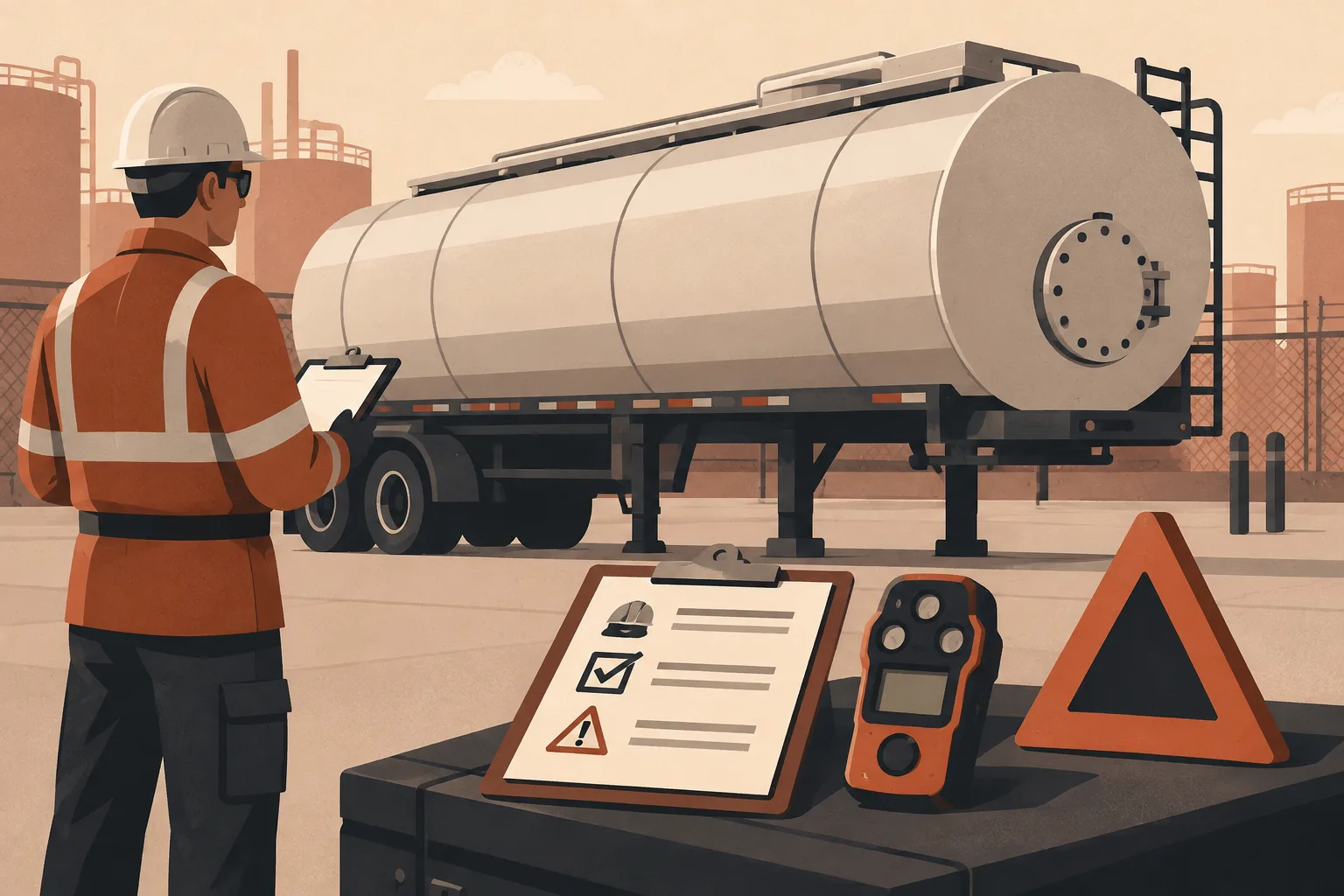
OSHA announced 19 FleetPride violations and $264,380 in proposed penalties after a worker fatality. Review verified findings and general-industry confined-space program, training, and rescue requirements.
 Analysis
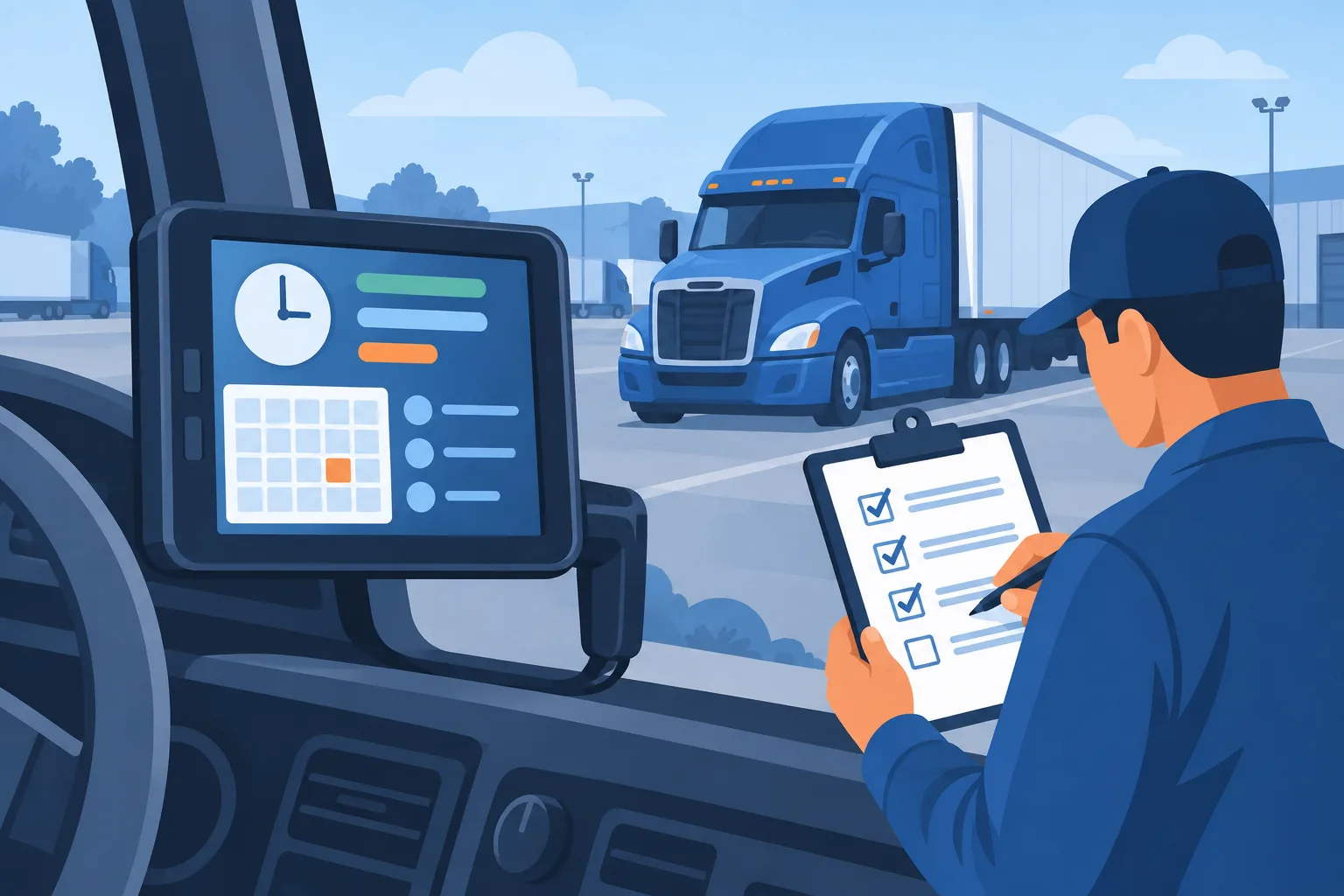
FMCSA's July and September ELD replacement deadlines have passed, and an August notice sets October 6 for five devices. Review the official device identifiers, stop-use instructions, and practical fleet follow-up steps.
 Analysis
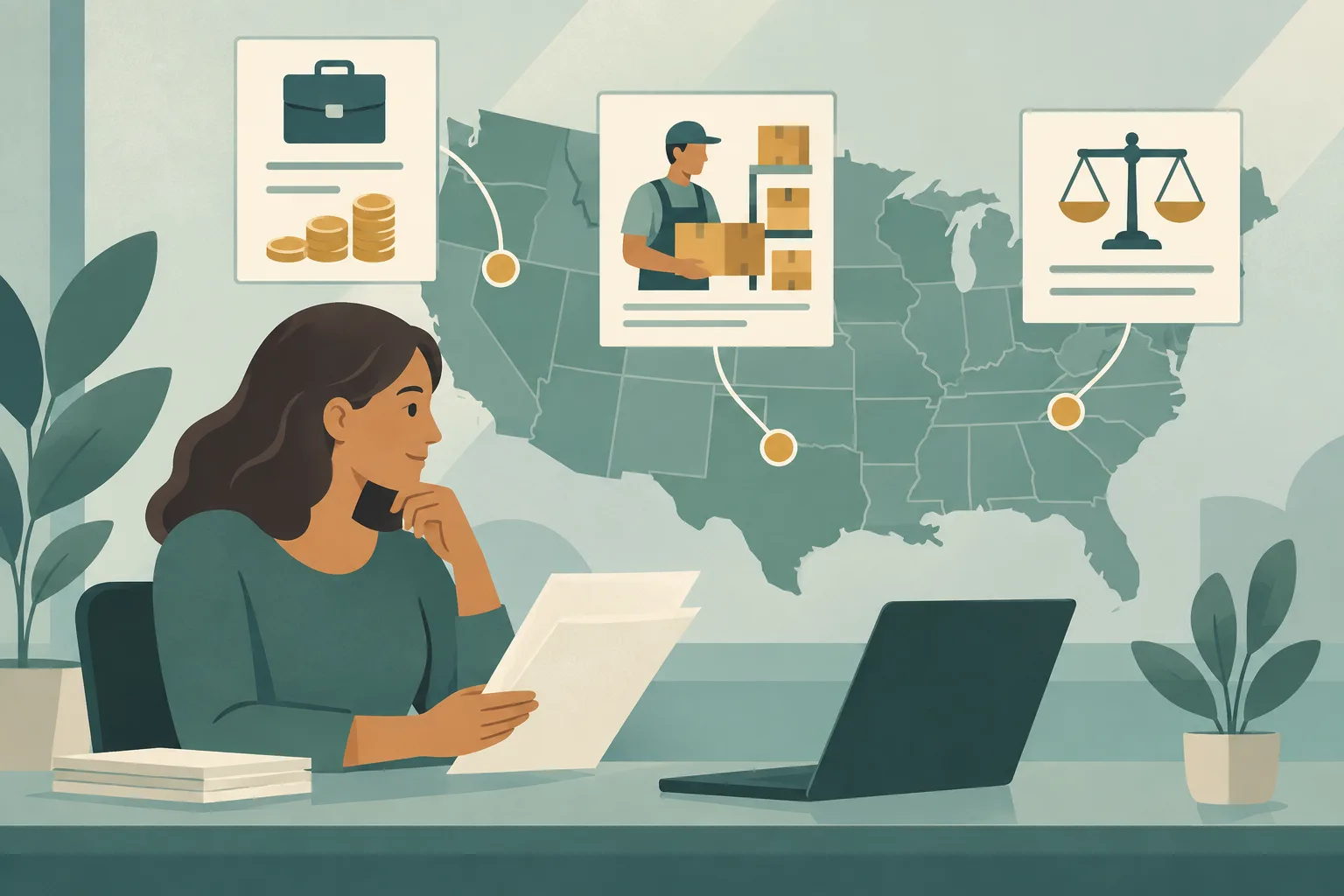
Review Maine pay-range disclosures, Connecticut warehouse quota requirements, and Virginia pay-posting rules, with practical steps for HR teams implementing the July 2026 changes.
 Analysis
The July 31 application deadline for OSHA's $12.787 million Harwood grant cycle has passed. Review verified funding details and practical ways to find and evaluate workplace safety training resources.
 Analysis
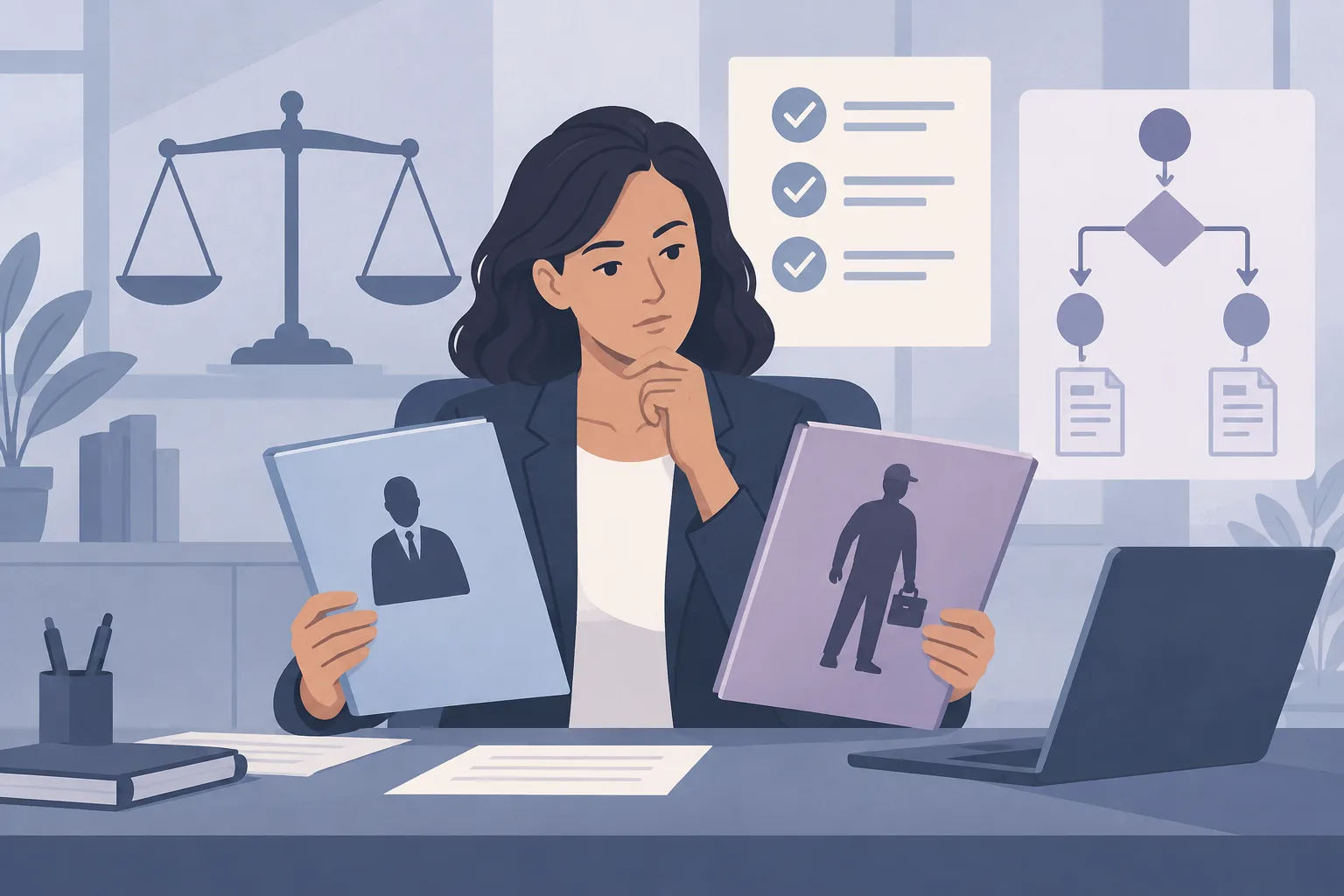
DOL proposes revising its independent-contractor analysis for the FLSA, FMLA, and MSPA. Learn how HR teams can prepare without replacing current legal obligations with a proposed test.
 Analysis
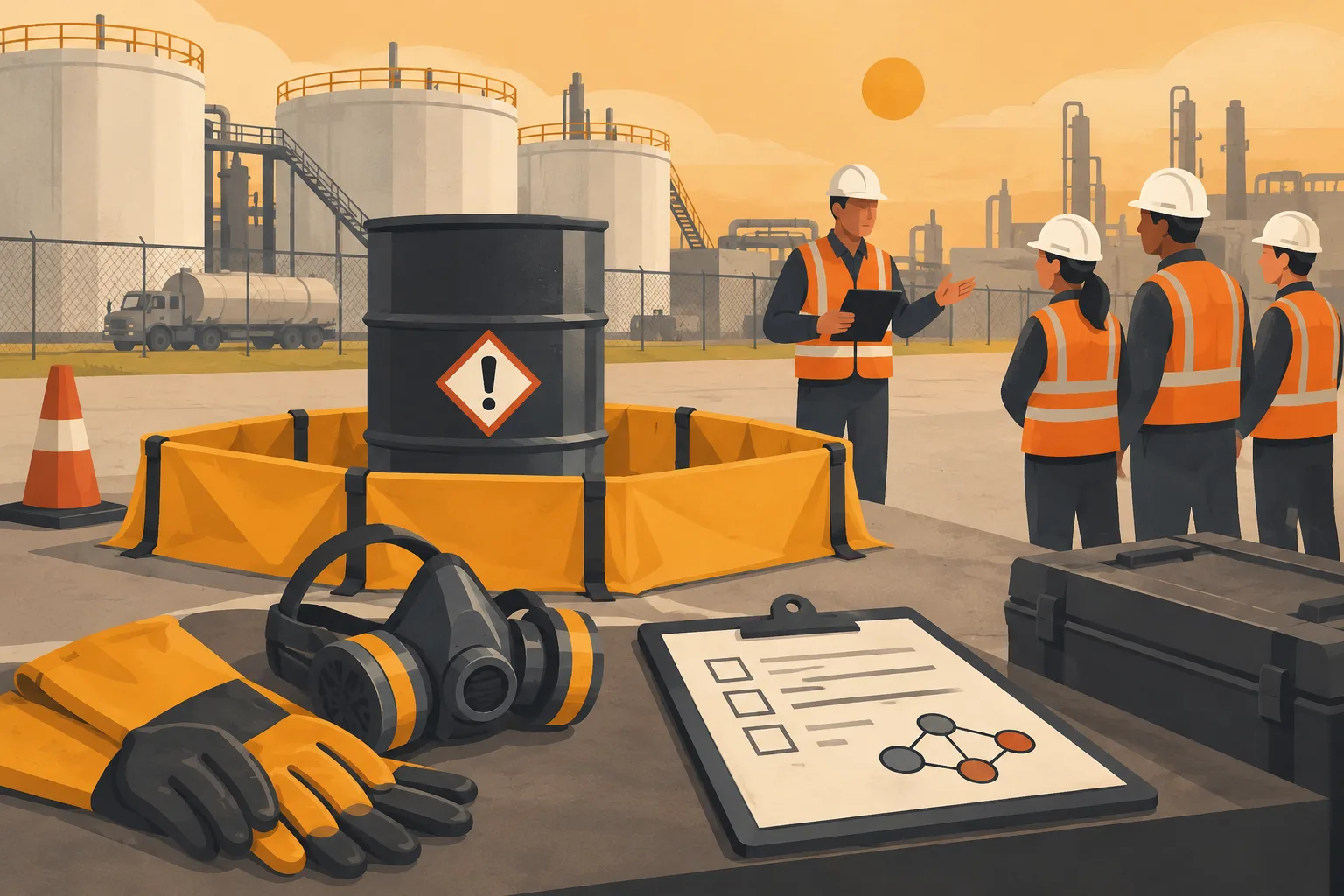
OSHA proposed $3,520,703 in penalties after the Channelview sulfuric acid spill cleanup. Learn how HAZWOPER scope, role-specific training, respiratory protection, and contractor coordination affect employer compliance.
 Analysis
Multiple new Virginia employment laws became effective July 1, 2026, including pay transparency mandates, expanded anti-discrimination coverage, non-compete restrictions, and salary history bans. Here's your compliance guide.
 Analysis
OSHA lists September and October 2026 post-hearing deadlines for respiratory protection, chemical standards, fixed ladders, and safety color codes. Here is how HR teams can track proposals while maintaining current compliance.
 Analysis
Colorado repealed its landmark AI Act (SB 24-205) and replaced it with SB 26-189, a narrower framework focused on automated decision-making technology. Here's what changed, what employers must do, and how compliance technology can help navigate the new multi-state AI landscape.
 Analysis
The DEA opened historic hearings on June 29, 2026, to consider rescheduling recreational cannabis from Schedule I to Schedule III. Here is what the proceeding means for employer drug-free workplace policies, testing programs, and compliance planning.
 Analysis
The Department of Labor's May 2026 technical amendment restored the $684/week overtime exemption salary threshold. Here's what HR operations teams need to know about reclassification, payroll adjustments, and multi-state compliance.
 Analysis
FMCSA removed TRUCKSTAFF ELD on June 23, 2026 — the 80th device revoked since January 2025. Combined with the new observed collection rule and a pending fentanyl testing mandate, here is what carriers must address before the second half of 2026.
 Analysis
OSHA will hold virtual hearings starting August 19, 2026, on proposals to roll back respiratory protection and chemical exposure standards for 16 toxic substances. Employers must act by July 6 to participate.
 Analysis
OSHA's expanded electronic injury reporting rule now requires detailed Form 300 and 301 submissions for high-hazard employers. Here's how HR operations teams can build a year-round process to stay compliant.
 Analysis
The Department of Labor has opened a public comment period on hearing test quality standards while OSHA's new fit-testing guidance raises the bar for hearing conservation programs. Here's what employers need to know.
 Analysis
For the first time since 2015, OSHA civil penalties did not increase due to a government shutdown that prevented the required inflation data. Here's what that means for employers — and why compliance still matters.
 Analysis
OSHA has reopened the comment period for its proposed rule eliminating medical evaluations for filtering facepiece respirators and loose-fitting PAPRs. Employers have until July 6, 2026 to weigh in on a change that could save businesses over $600 million.
 Analysis
The EEOC released its National Enforcement Plan for FY 2025–2029 on June 4, 2026, signaling heightened scrutiny of DEI programs. Here's what employers need to know and do now.
 Analysis
New research shows workplace injuries trigger sharper mental health declines than off-the-job injuries. Employers who ignore anxiety, depression, and PTSD after on-the-job incidents face longer recovery times, higher costs, and greater turnover.
 Analysis
OSHA issued nearly $200,000 in penalties against a Georgia supermarket franchisee after a meat grinder amputation. Here's what every employer with machinery needs to know about machine guarding, lockout/tagout, and OSHA's renewed enforcement focus on amputations.
 Analysis
New comprehensive data privacy laws in Indiana, Kentucky, and Rhode Island took effect January 1, 2026, bringing the total to 20 states with active privacy statutes. Here's what HR operations teams need to know about employee data compliance.
 Analysis
After a meat grinder amputation at a Georgia Piggly Wiggly, OSHA issued nearly $200K in penalties for machine guarding and lockout/tagout violations. Here's what employers must know about compliance in 2026.
 Analysis
June is National Safety Month, and the 2026 focus on holistic worker health challenges employers to integrate mental, physical, and emotional wellness into their safety programs. Here's what you need to know.
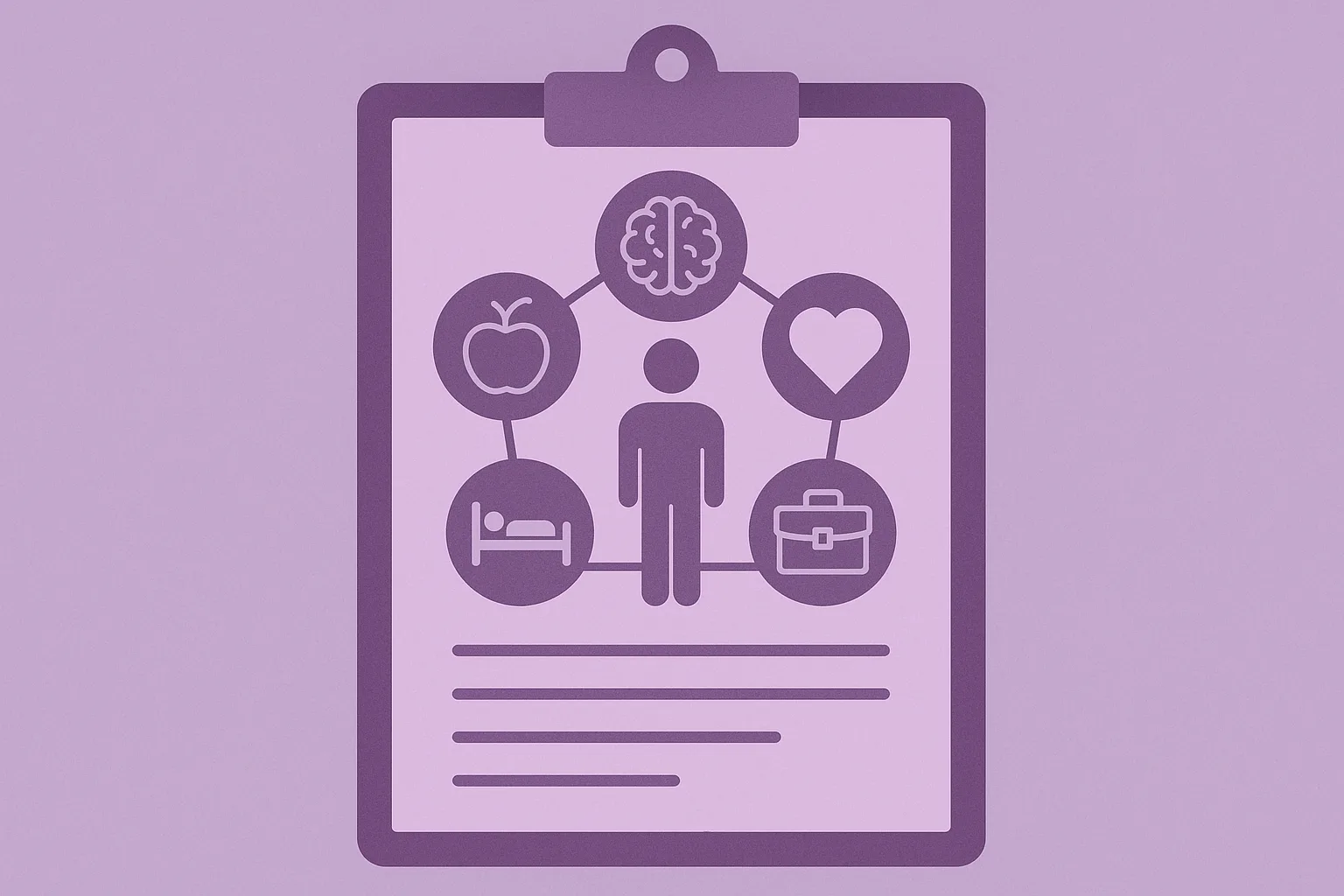 Analysis
NIOSH updated its Worker Well-Being Questionnaire (WellBQ) in early 2026, giving employers a free, science-based tool to measure workforce health across five domains. Here's how to use it and why it matters.
 Analysis
With DOT's new Part 40 observed collection rule effective June 10, 2026, rising Clearinghouse enforcement, and fentanyl testing on the horizon, motor carriers face increased audit scrutiny. Here is your compliance checkpoint to prepare now.
 Analysis
NIOSH's new algorithmic hygiene guidance reframes AI as an occupational hazard modifier. Learn how compliance technology helps employers assess, monitor, and control AI-related workplace risks under this framework.
 Analysis
The EEOC's 2026 telework accommodation FAQs clarify employer obligations when return-to-office policies conflict with disability accommodation requests. Here is what HR teams need to know about the interactive process, essential functions, and legal risk.
 Analysis
The EEOC has filed multiple subpoena enforcement actions demanding detailed employee data from major employers. Here's how HR teams can build the data governance and document production processes needed to respond effectively.
 Analysis
As wildfire seasons grow longer and more intense, employers with outdoor workers face growing obligations to monitor air quality and protect employees from hazardous smoke exposure. Here's what the latest federal guidance and state rules require.
 Analysis
OSHA inspections are up 8% in 2026 with penalties at historic highs. Learn how the Severe Violator Enforcement Program and instance-by-instance citations are reshaping employer liability.
 Analysis
The first OSHA HazCom 2024 compliance deadline passed on May 19, 2026. Employers now face a November 20, 2026 deadline to update workplace labels, written programs, and employee training under the revised Hazard Communication Standard aligned with GHS Revision 7.
 Analysis
The EEOC filed a landmark lawsuit against The New York Times alleging race and sex discrimination in a promotion decision tied to DEI goals. Here is what the case means for employer promotion practices, diversity initiatives, and Title VII compliance.
 Analysis
New research shows hypersensitivity pneumonitis is the only occupational lung disease with increasing mortality in the U.S., signaling evolving workplace exposures that employers must address through updated prevention strategies.
 Analysis
The EEOC filed suit against The New York Times in May 2026 alleging DEI-related discrimination, escalating its enforcement campaign from guidance to active litigation. Here is what employers need to know.
 Analysis
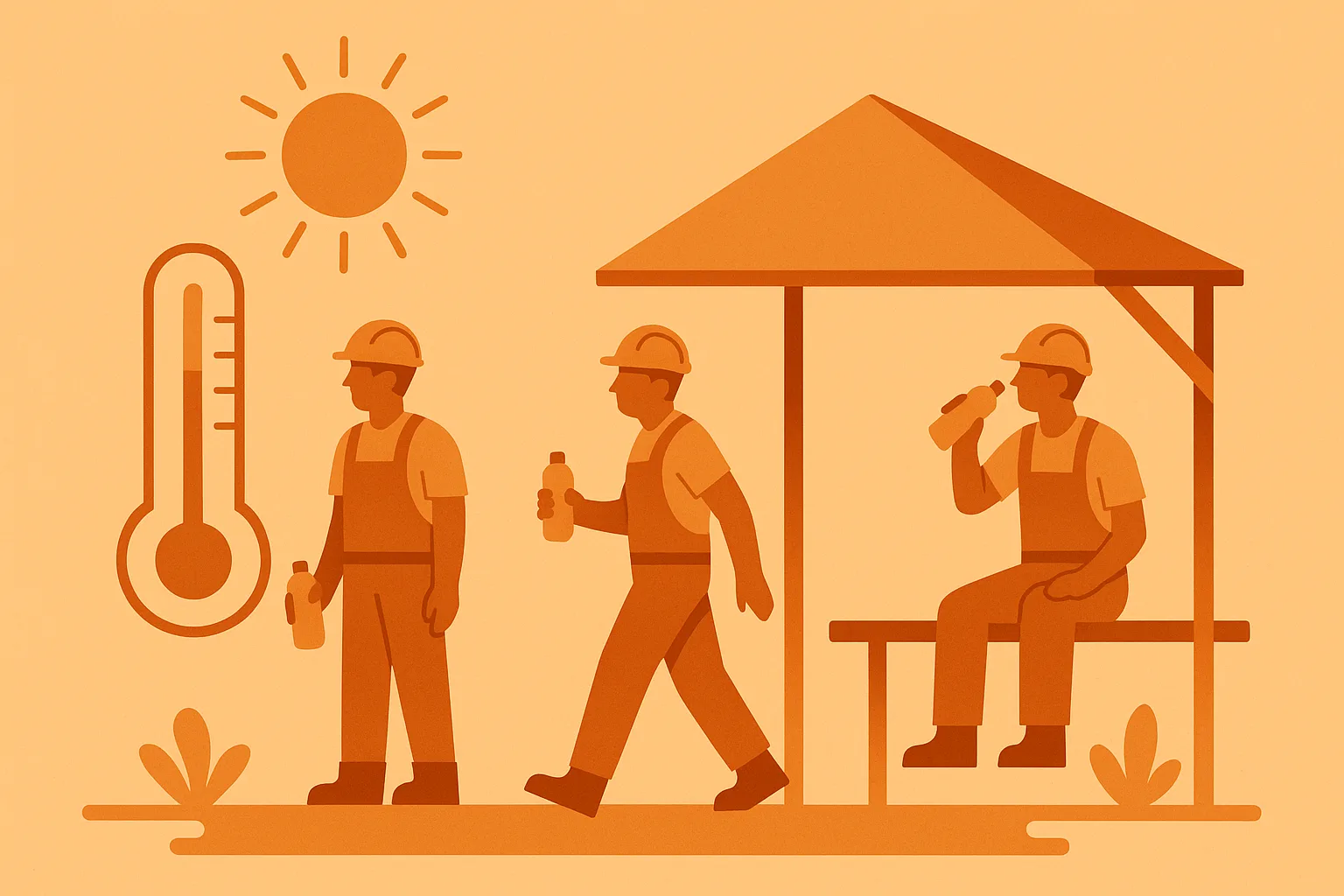
Over 70% of occupational heat deaths occur during a worker's first week on the job. With OSHA's updated Heat NEP and Heat Safety Week 2026 just concluded, employers must implement acclimatization protocols to protect new and seasonal hires this summer.
 Analysis
The EEOC filed a landmark lawsuit against The New York Times alleging race and sex discrimination in a promotion decision driven by DEI goals. Here is what employers need to know about the legal risks of diversity-motivated employment decisions.
 Analysis
The first major compliance deadline for OSHA's updated Hazard Communication Standard arrives today. Here's what changed under GHS Revision 7 and what employers need to do now to avoid citations.
 Analysis
The FMCSA's third and likely final NRII waiver allows paper medical certificates through October 11, 2026. Motor carriers must prepare for mandatory electronic medical certification or face enforcement action.
 Analysis
OSHA's updated Hazard Communication Standard aligned with GHS Revision 7 reaches its first major compliance deadline on May 19, 2026. Learn what changed, who is affected, and how compliance technology helps employers manage SDS updates, label changes, and employee training at scale.
 Analysis
The first major compliance deadline for OSHA's updated Hazard Communication Standard arrives May 19, 2026. Here's what changed, who must act, and how employers should prepare for the new GHS Revision 7 requirements.
 Analysis
The May 19, 2026 HazCom compliance deadline for chemical manufacturers has passed. Employers now have until November 20, 2026 to update workplace labels, written programs, and employee training under OSHA's revised Hazard Communication Standard.
 Analysis
Recent OSHA enforcement actions show employers facing six-figure penalties for retaliating against workers who report safety concerns. Here's how HR teams can build compliant anti-retaliation programs.
 Analysis
A DOT final rule published May 11, 2026 amends directly observed urine collection procedures under 49 CFR Part 40. Here is what the rule changes, when it takes effect, and how employers should prepare before June 10.
 Analysis
FMCSA has finalized sweeping changes to its Safety Measurement System methodology, consolidating violation codes, simplifying severity weights, and recalibrating intervention thresholds. Here is what motor carriers must do now.
 Analysis
OSHA's first GHS Revision 7 compliance deadline for the updated Hazard Communication Standard hits May 19, 2026. Here's what changed, who must comply, and how digital SDS management and compliance platforms are helping employers meet the deadline.
 Analysis
FMCSA removed two more electronic logging devices on May 7, 2026, bringing the total to 67 revocations since January 2025. With CVSA International Roadcheck starting May 12, motor carriers using revoked ELDs face immediate out-of-service orders and fines up to $19,246 per violation.
 Analysis
ICE's March 2026 guidance reclassifies many routine Form I-9 errors as substantive violations subject to immediate fines. Here's what changed and how HR operations teams should respond.
 Analysis
The first major compliance deadline for OSHA's updated Hazard Communication Standard arrives May 19, 2026. Here's what changed, who is affected, and what employers should do now.
 Analysis
The DOJ moved state-licensed medical marijuana to Schedule III on April 23, 2026. Here is what the rescheduling means—and does not mean—for employer drug testing, accommodation requests, and policy language.
 Analysis
Six members of Congress have formally urged HHS Secretary Kennedy to eliminate FDA regulatory barriers blocking oral fluid drug testing for DOT-regulated employers. Here is what the push means for transportation safety compliance.
 Analysis
Over 200,000 CDL drivers are in prohibited status in the FMCSA Drug & Alcohol Clearinghouse. With penalties reaching $16,000 per violation and automatic CDL downgrades now fully enforced, here is what fleet operators must do to stay compliant.
 Analysis
After a Florida roofing company was cited for willful violations following a worker's fatal fall, OSHA's enforcement data confirms fall protection remains the #1 most-cited standard for the 15th consecutive year. Here's what construction employers must know.
 Analysis
Executive Order 14398 required federal agencies to insert anti-DEI discrimination clauses into contracts by April 25, 2026. Here's what the new mandate means and how contractors should respond.
 Analysis
The first major compliance deadline for OSHA's revised Hazard Communication Standard arrives May 19, 2026. Here's what changed, who must act, and how to protect workers from chemical health hazards under the new GHS Revision 7 requirements.
 Analysis
The first major compliance deadline for OSHA's updated Hazard Communication Standard lands May 19, 2026. Here's what changed, who's affected, and how employers should prepare for GHS Revision 7.
 Analysis
A landmark 10th Circuit ruling backs OSHA's authority to cite healthcare employers for workplace violence under the General Duty Clause, while a wave of state laws creates new compliance obligations. Here's what healthcare employers need to know to protect workers and stay compliant in 2026.
 Analysis
State workplace violence prevention laws are expanding beyond California. Here's what HR operations teams should know about new requirements in New York and other states, and how to build a compliant prevention program before the next deadline hits.
 Analysis
The Department of Labor published a proposed rule on April 23, 2026, establishing a unified four-factor test for joint employer status under the FLSA, FMLA, and MSPA. Here's what it means for HR teams managing staffing agencies, contractors, and franchise relationships.
 Analysis
The Tenth Circuit's February 2026 ruling in Cedar Springs Hospital v. OSHRC affirmed OSHA's authority to cite healthcare employers for workplace violence under the General Duty Clause. Combined with New York's new prevention law and California's existing standards, employers face a rapidly evolving compliance landscape.
 Analysis
The first major compliance deadline for OSHA's updated Hazard Communication Standard arrives May 19, 2026. Here's what changed, who is affected, and the steps employers should take now to avoid citations under OSHA's second most-cited standard.
 Analysis
The May 19, 2026 deadline for OSHA's updated Hazard Communication Standard is less than a month away. Learn what changed, why HazCom remains OSHA's #2 most-cited violation, and how compliance technology helps employers manage the transition.
 Analysis
From Vensure's new AI compliance platform to the DOL's AI Literacy Framework, 2026 is the year AI-powered tools are reshaping how employers manage HR compliance. Here's what's driving the shift and how to evaluate these systems.
 Analysis
OSHA's four-month extension of the updated Hazard Communication Standard gives employers until November 20, 2026 to comply with GHS Revision 7. Learn what changed, what the new deadlines mean, and how compliance technology can streamline the transition.
 Analysis
The EEOC's FY 2025 performance report shows record-breaking pre-litigation recoveries and a sharpened enforcement focus. Here's what the numbers mean and what employers should do now.
 Analysis
As OSHA marks Workers' Memorial Day on April 28 with its first-ever candlelight vigil, new BLS data shows 5,070 workers died on the job in 2024. Here's what the numbers reveal about persistent risks and what employers should do now.
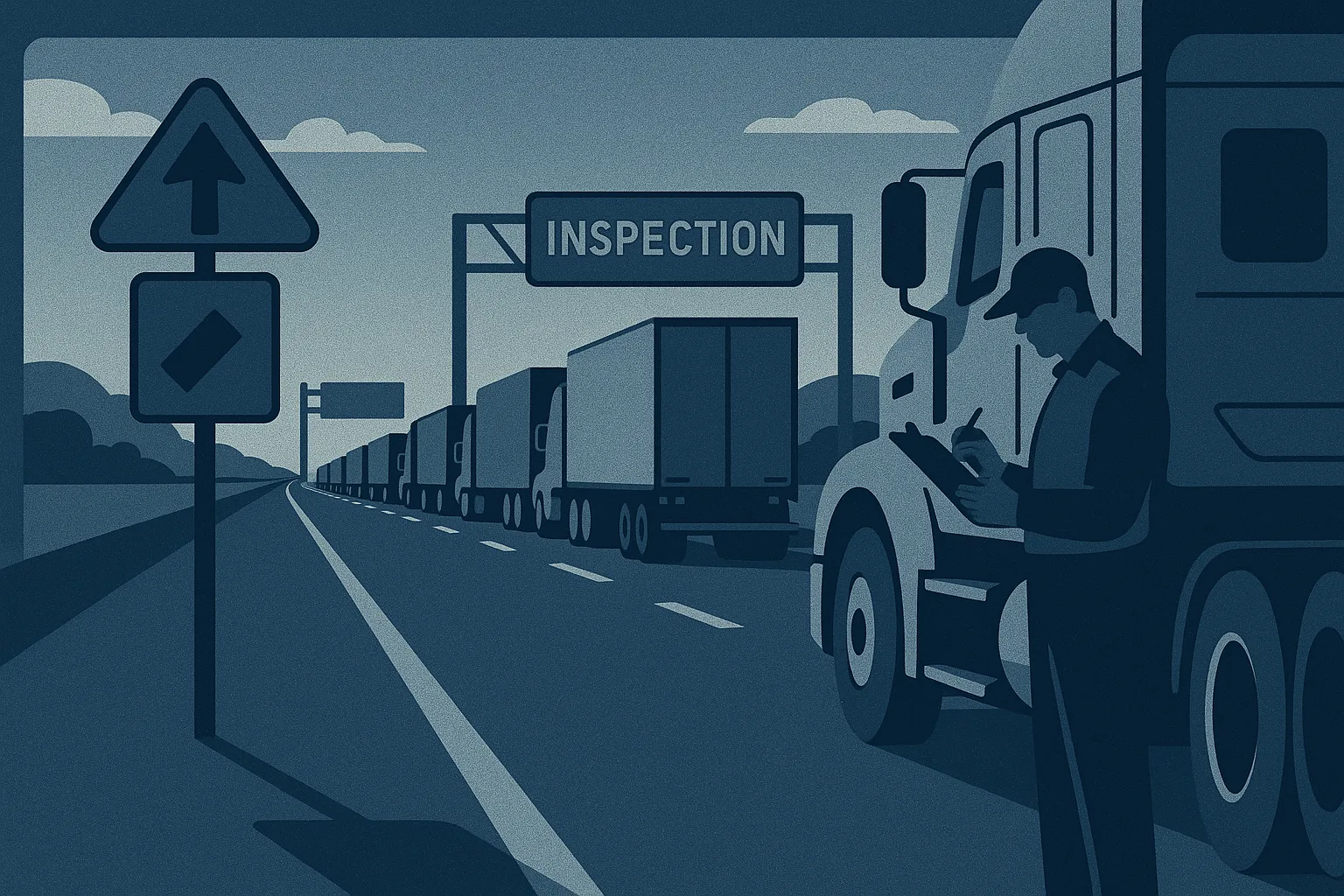 Analysis
FMCSA is withholding over $73 million from New York after a federal audit found 53% of non-domiciled CDLs were illegally issued. Here is what the non-domiciled CDL crackdown means for motor carriers, fleet operators, and employer compliance programs.
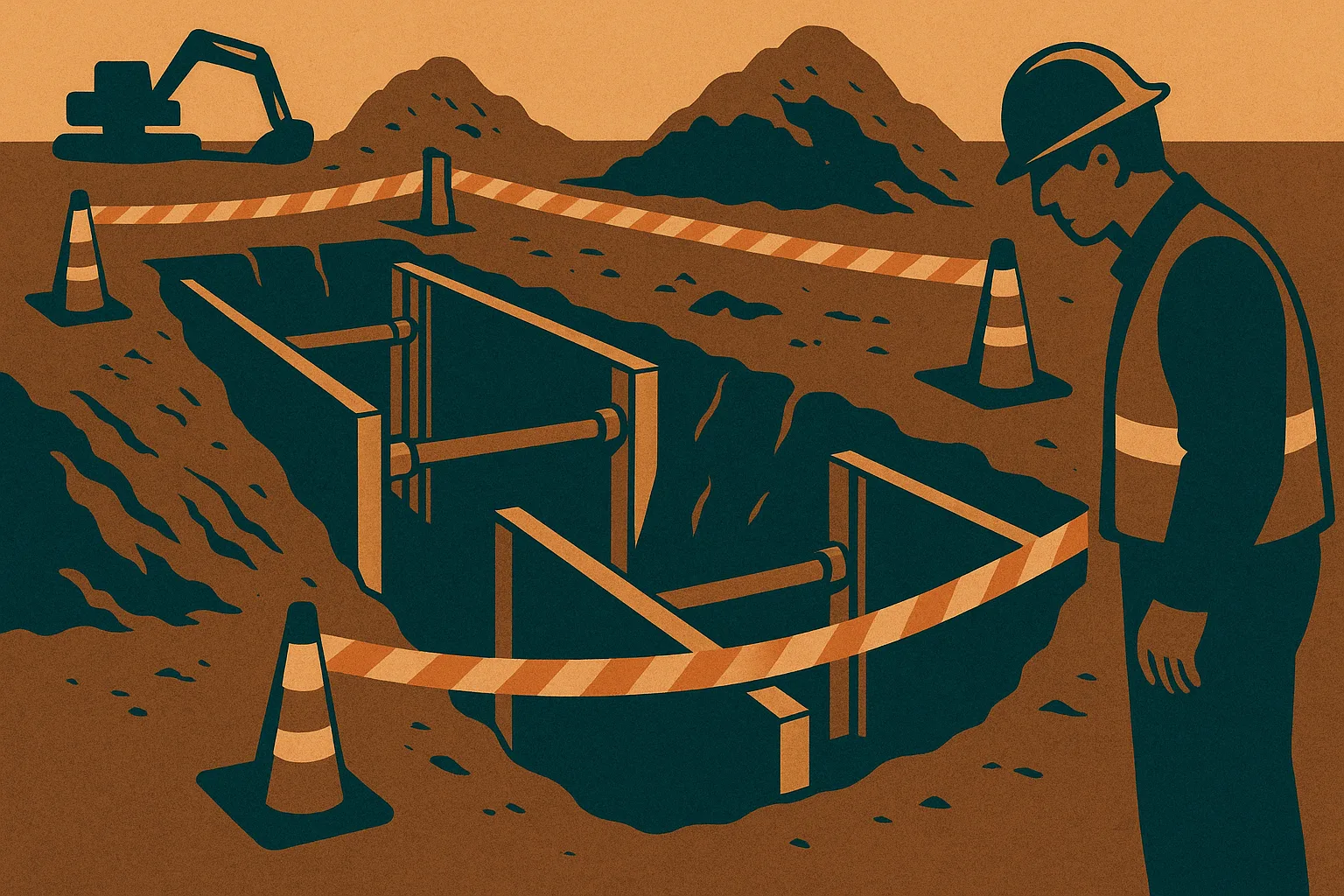 Analysis
OSHA cited two construction companies for fatal trench collapses in April 2026, proposing nearly $4.8 million in combined penalties. Here's what employers in construction and excavation need to do now to avoid deadly violations.
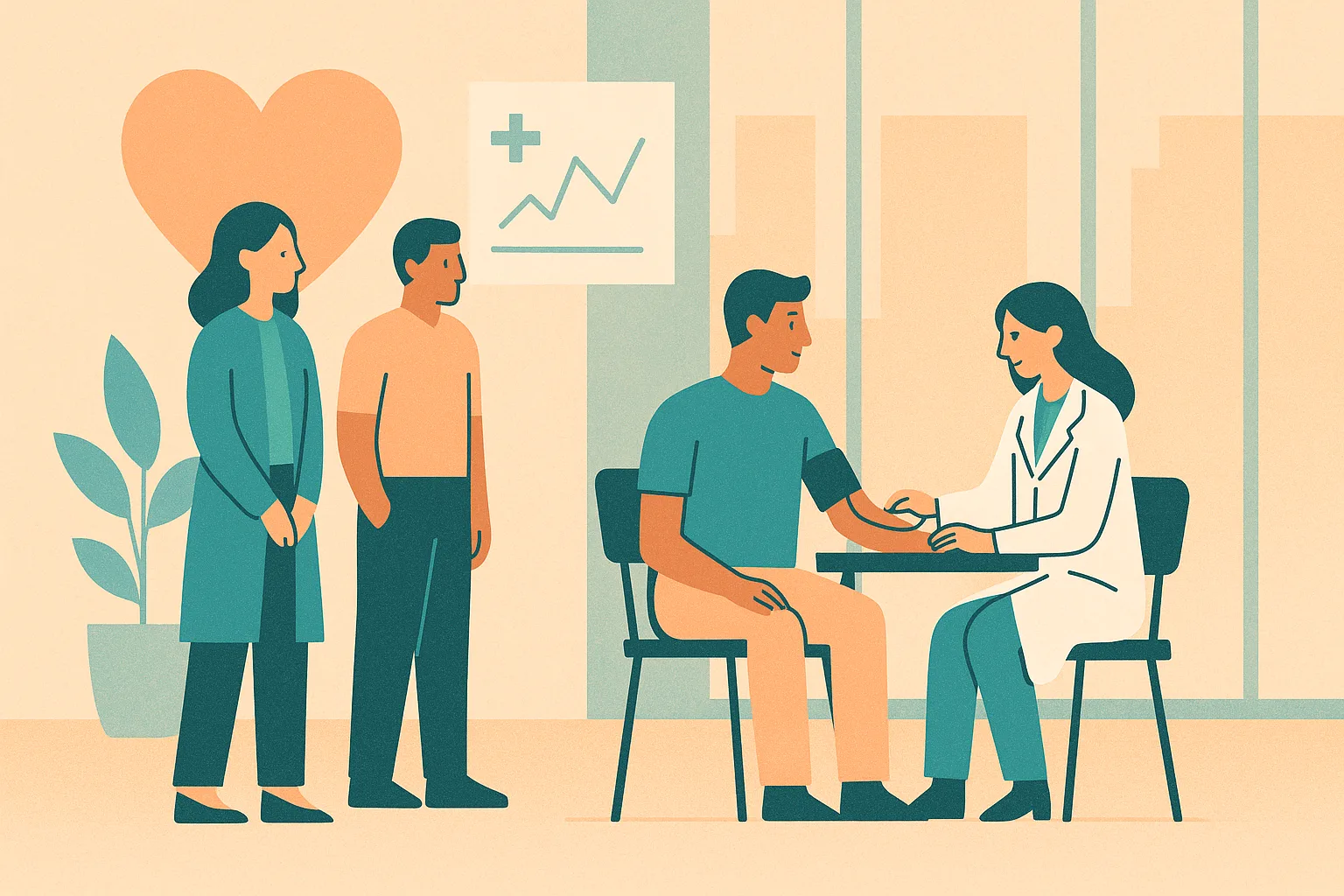 Analysis
With over 78% of U.S. employees living with at least one chronic condition, NIOSH's updated Total Worker Health framework gives employers an evidence-based roadmap for integrating health protection with health promotion to reduce absenteeism, boost productivity, and support worker well-being.
 Analysis
The DOJ's first False Claims Act settlement under the Civil Rights Fraud Initiative targets IBM's DEI practices. Employers with federal contracts need to understand what was alleged, what changed, and what to do next.
 Analysis
New state laws in California, Illinois, and Washington are broadening employee access to personnel records and training documentation. Here's what HR teams should do to stay compliant.
 Analysis
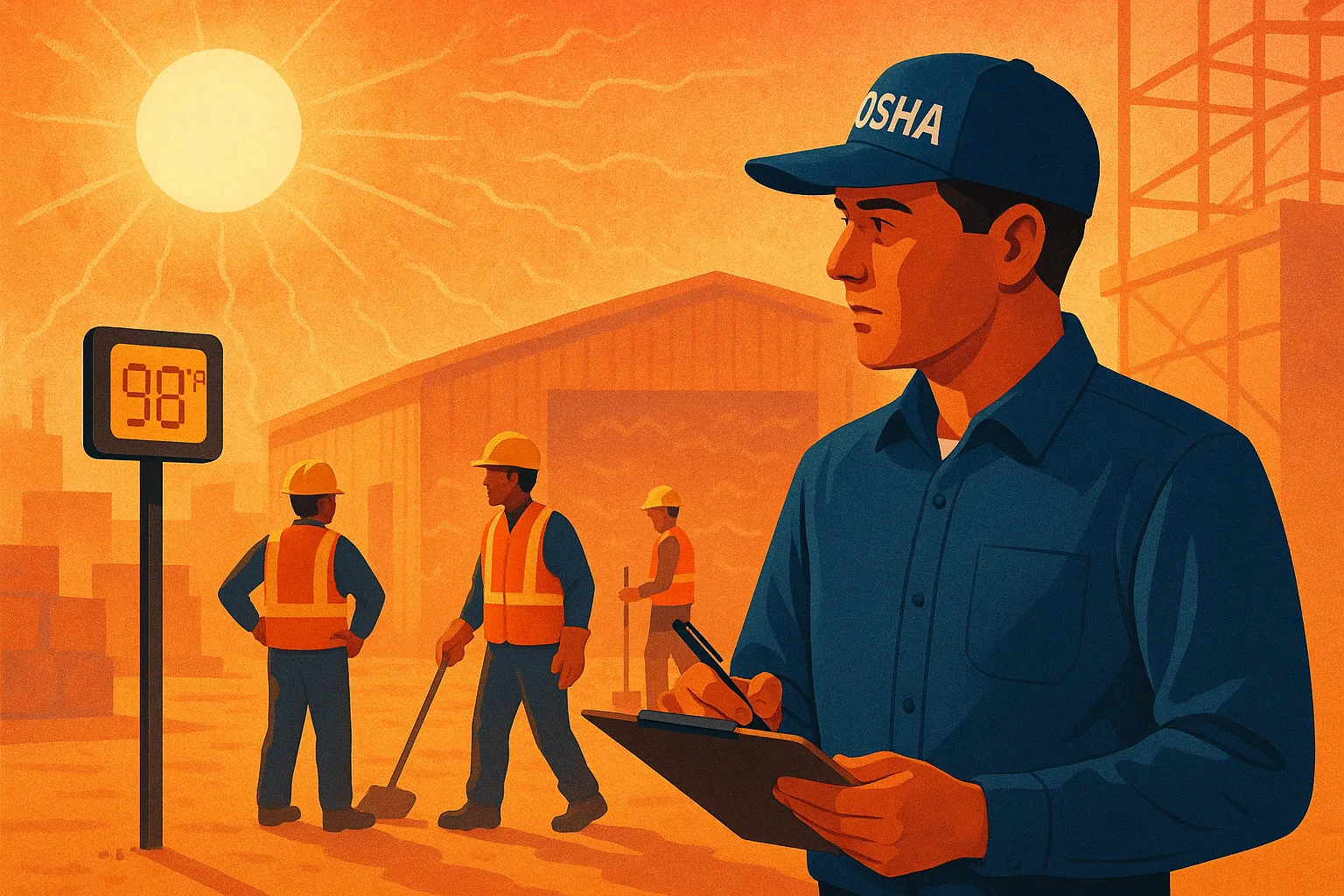
OSHA renewed and revised its Heat National Emphasis Program on April 10, 2026, targeting 55 high-risk industries for heat-related inspections and introducing updated citation guidance. Here's what employers need to know before summer.
 Analysis
OSHA revised its National Emphasis Program for indoor and outdoor heat-related hazards on April 10, 2026, targeting 55 high-risk industries with updated inspection priorities and clearer citation guidance. Here's what changed and how employers should prepare.
 Analysis
The Department of Labor and National Science Foundation announced TechAccess: AI-Ready America, a $224 million initiative to create AI workforce training hubs in every U.S. state. Learn what it means for employers and how to align your training programs.
 Analysis
OSHA issued a revised National Emphasis Program on April 10, 2026, refocusing heat-related enforcement on 55 high-risk industries with updated data and new guidance. Here's what employers need to know before summer.
 Analysis
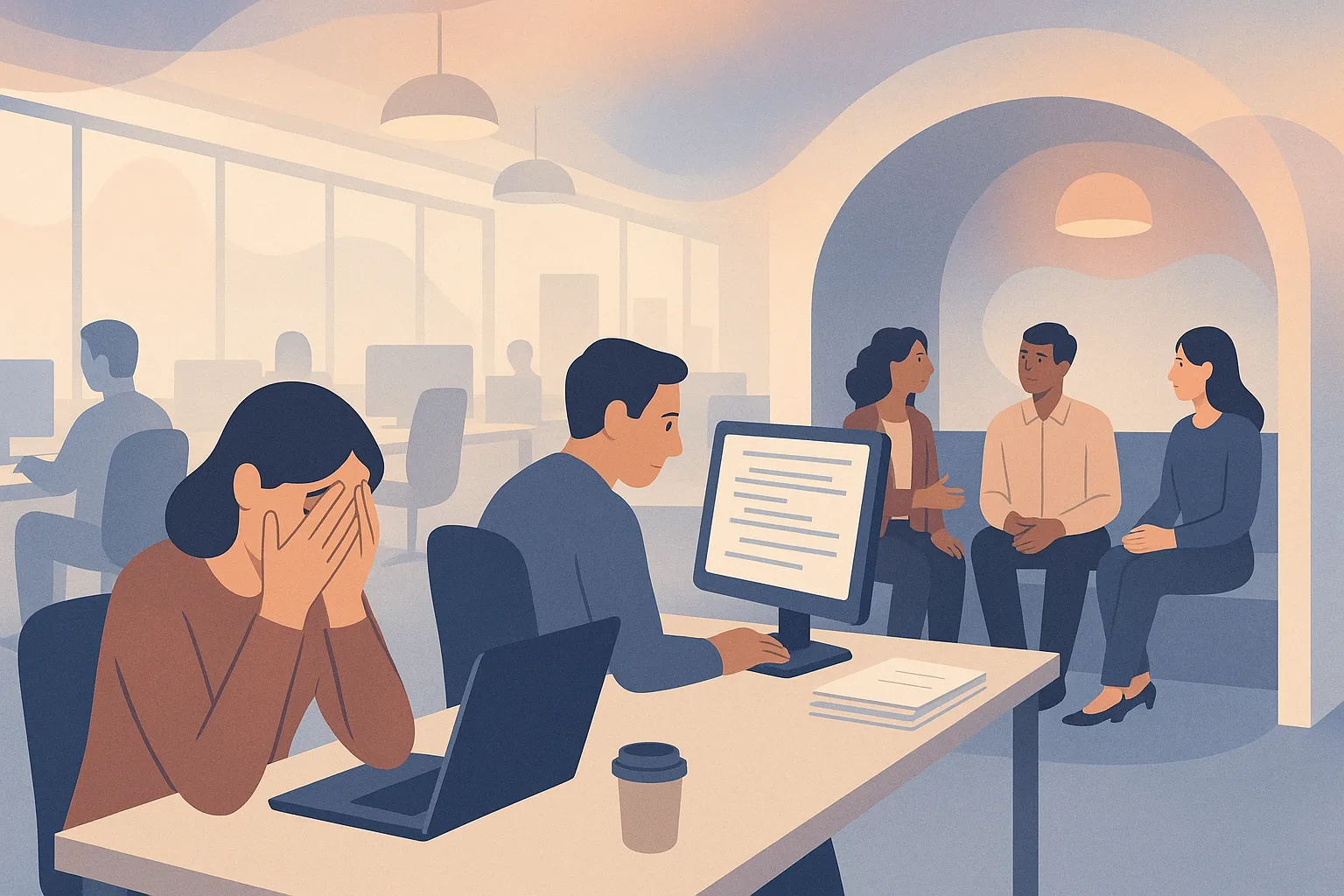
With NIOSH calling psychosocial hazards an alarming public health problem and the ILO dedicating World Day for Safety and Health at Work 2026 to the topic, employers must act now to address workplace stress, burnout, and mental health risks alongside traditional safety programs.
 Analysis
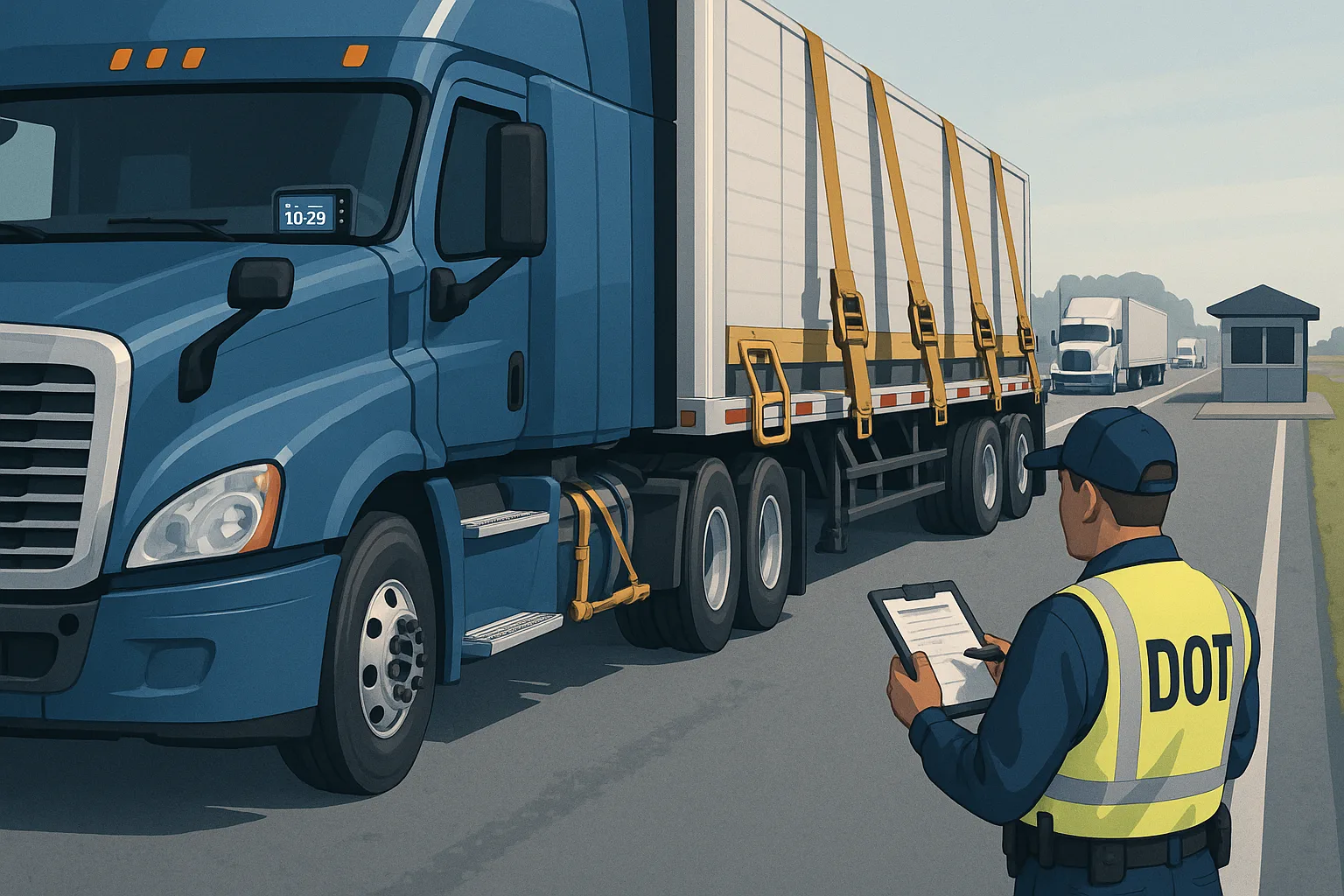
The 2026 CVSA International Roadcheck runs May 12–14 with a focus on ELD tampering and cargo securement. Here is what motor carriers need to know and how to prepare your fleet before the 72-hour inspection blitz begins.
 Analysis
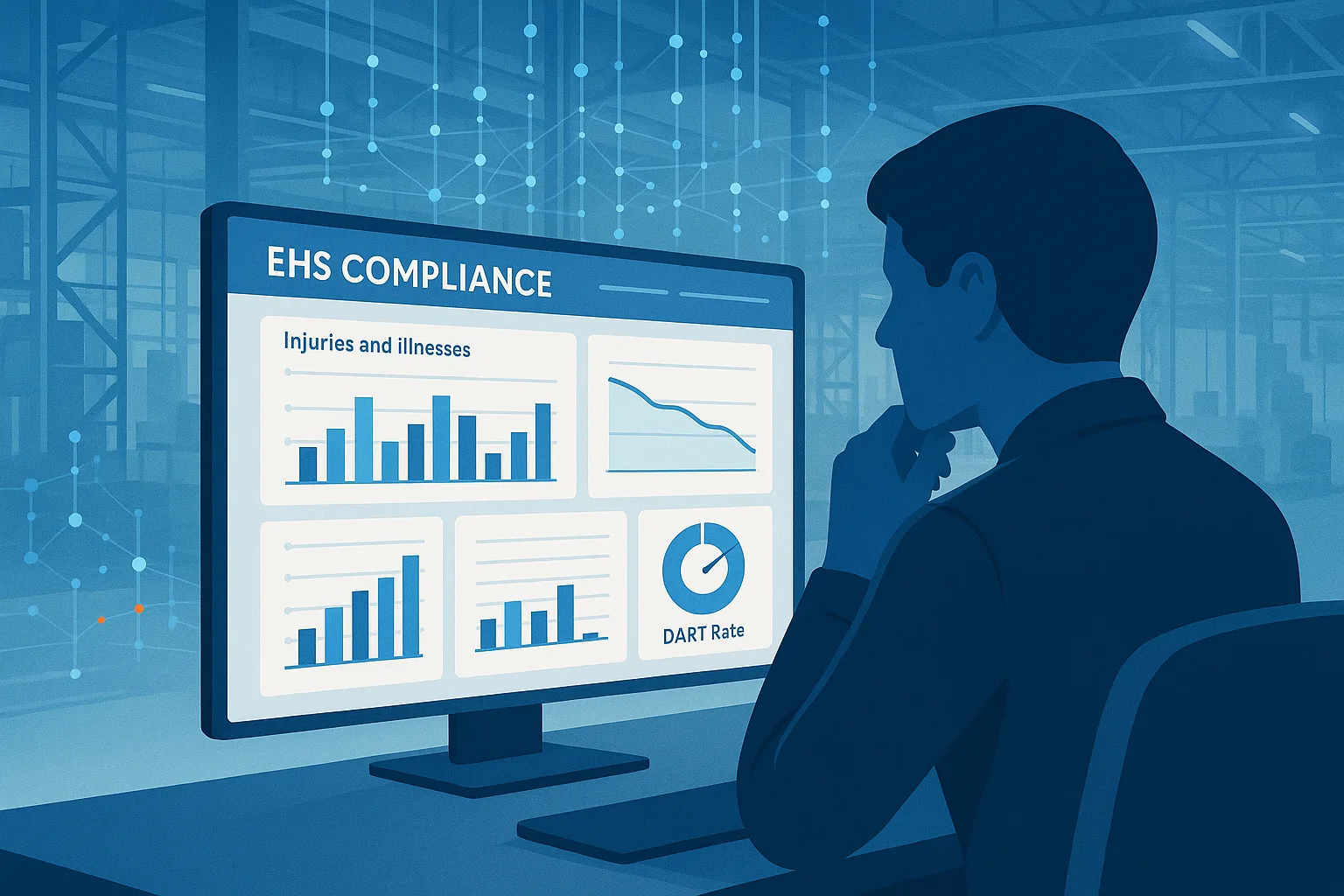
OSHA's expanded electronic recordkeeping requirements and Site-Specific Targeting program use employer-submitted data to trigger inspections. Learn how compliance technology helps employers manage this new data-driven enforcement landscape.
 Analysis
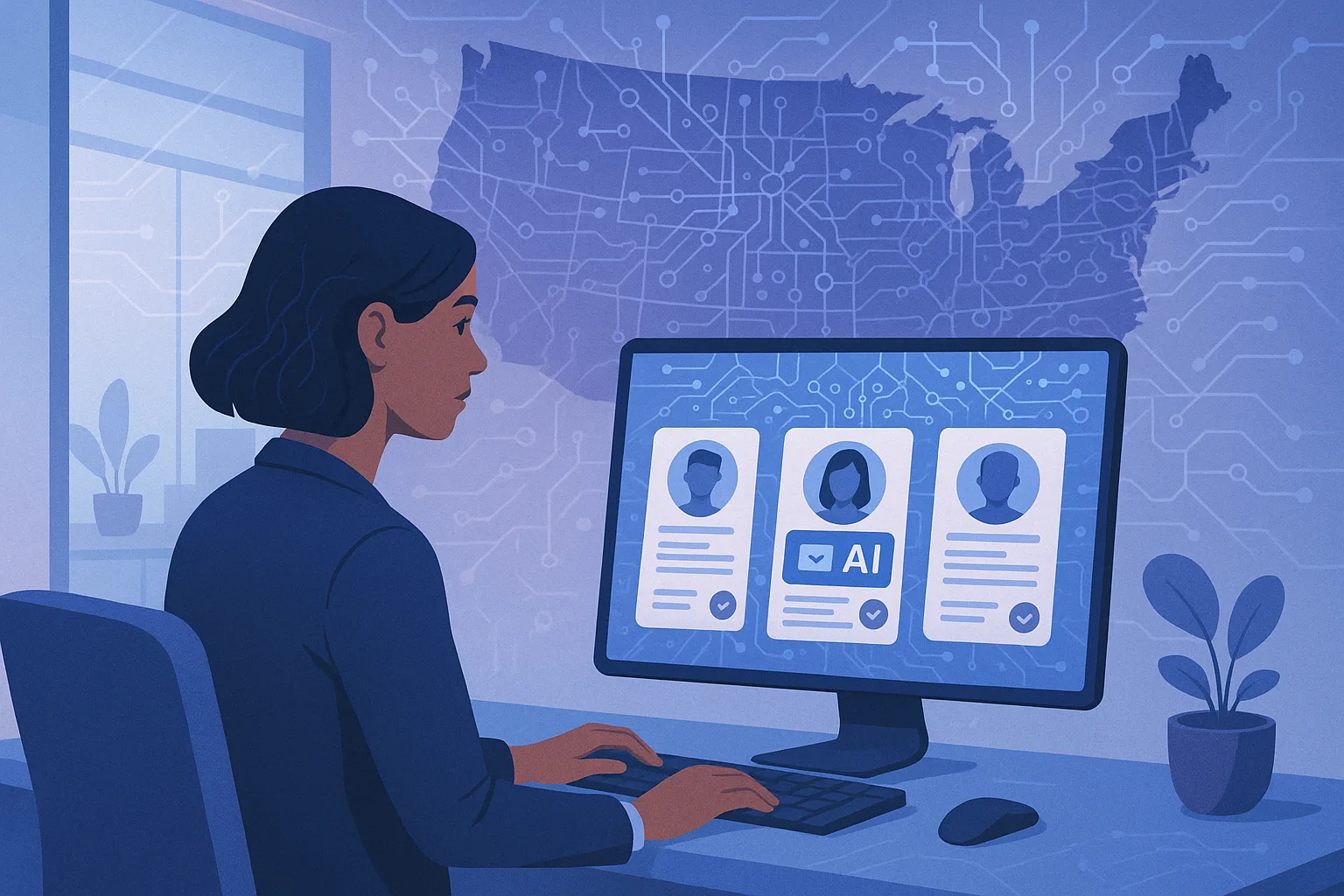
Illinois and New York City already regulate AI in employment decisions, and Colorado's AI Act takes effect June 30, 2026. Learn about bias audits, notice requirements, and multi-state compliance strategies for HR teams.
 Analysis
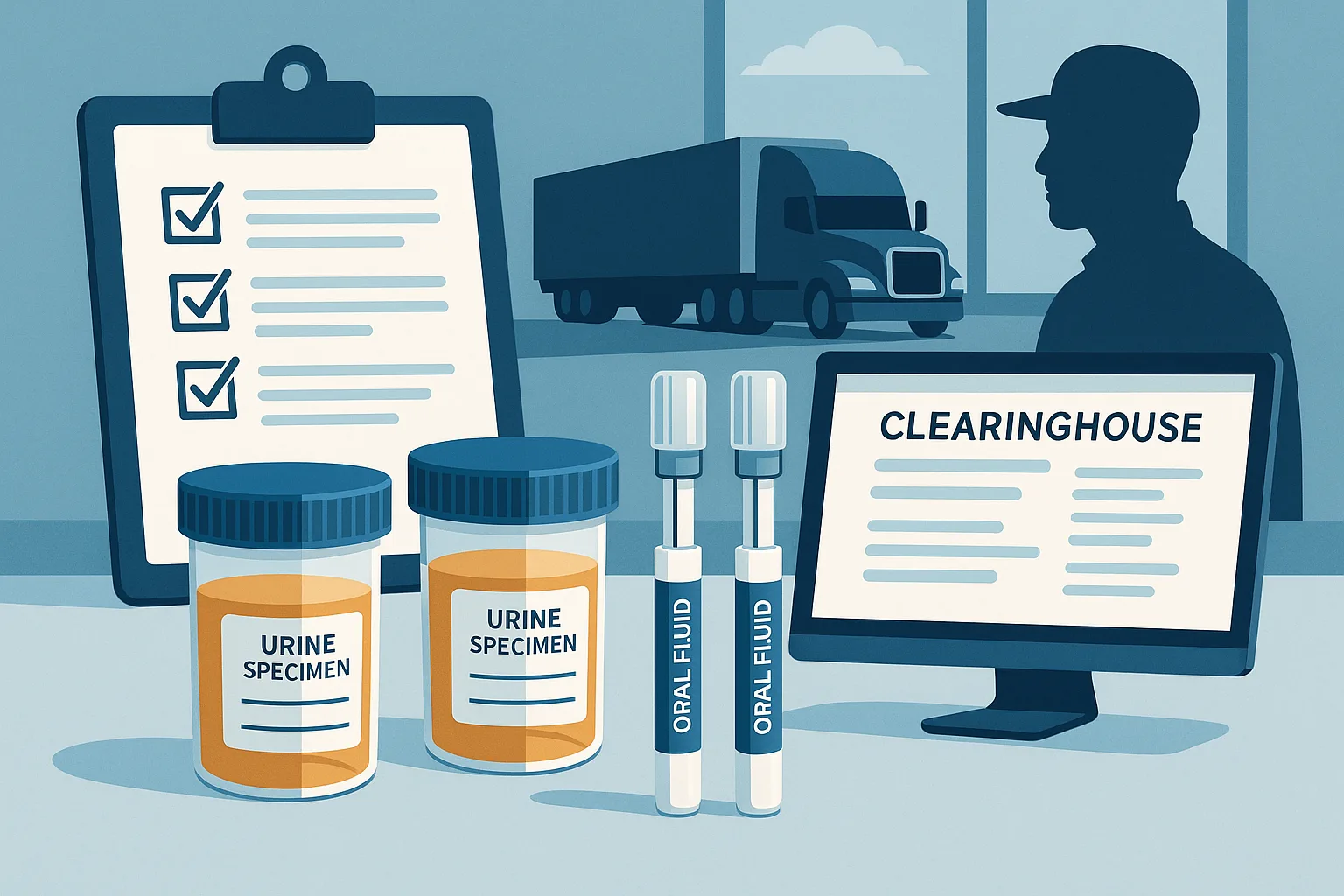
The DOT is expanding its drug testing panel to include fentanyl, FMCSA Clearinghouse Phase II is actively downgrading CDLs, and oral fluid testing is on the horizon. Here is what every CDL employer needs to know to stay compliant in 2026.
 Analysis
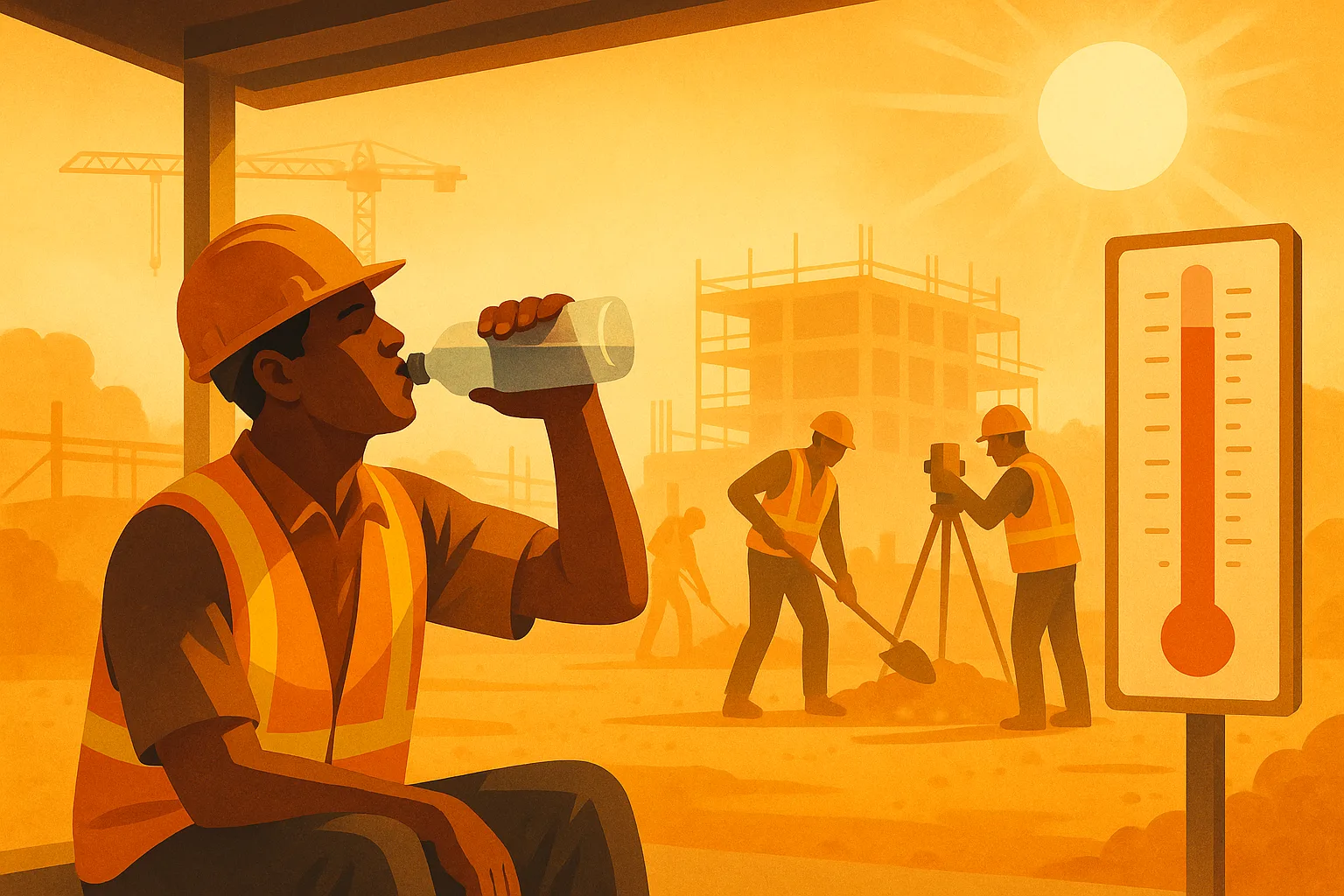
With OSHA's Heat National Emphasis Program expiring in April 2026 and a proposed federal heat standard under review, employers should prepare now for summer heat season. Here's what the proposed rule requires and how to protect your workers.
 Analysis
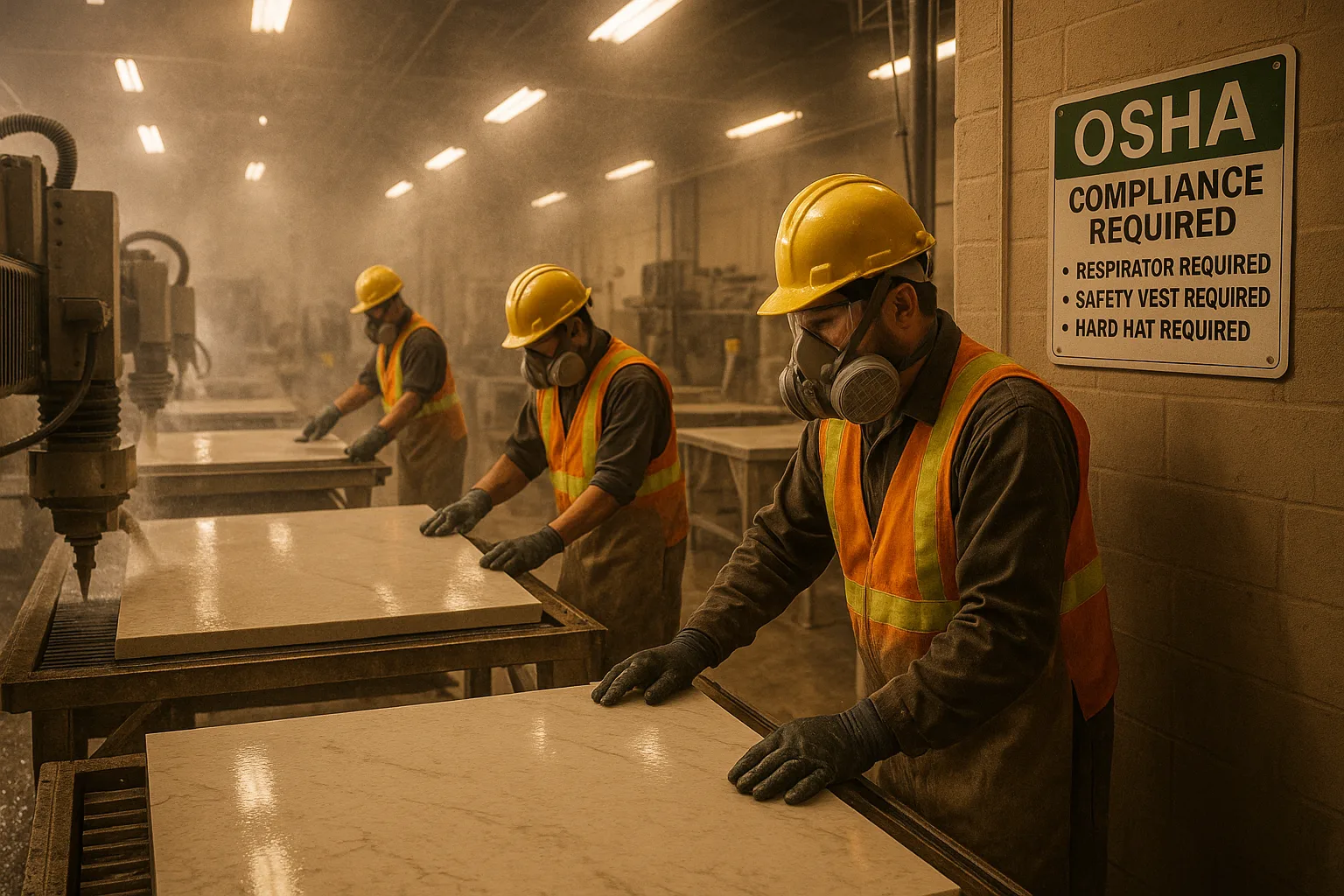
OSHA cited two Georgia stone countertop manufacturers for repeat silica exposure violations in March 2026, part of an escalating federal and state enforcement crackdown on respirable crystalline silica hazards in the fabrication industry.
 Analysis
OSHA announced two major new programs in March 2026 — the OSHA Cares initiative and the Safety Champions Program — shifting the agency toward a more collaborative, compliance-assistance approach. Here's what employers should know.
 Analysis
The EEOC voted 2-1 to rescind its comprehensive 2024 harassment guidance. Here's what changed, what didn't, and the steps employers should take to stay compliant.
 Analysis
A practical breakdown of OSHA regulatory changes in early 2026, including HazCom compliance date extensions, ITA filing deadlines, updated penalties, and enforcement priorities employers should prepare for.
 Analysis
Employee medical information needs careful handling. Learn what HR can collect, where to store it, who can access it, and how ADA and HIPAA rules actually apply in the workplace.
 Analysis
The EEOC has sharply increased its focus on DEI-related discrimination under Title VII. Employers need to understand what has changed, what the agency is targeting, and how to audit workplace programs for compliance.
 Analysis
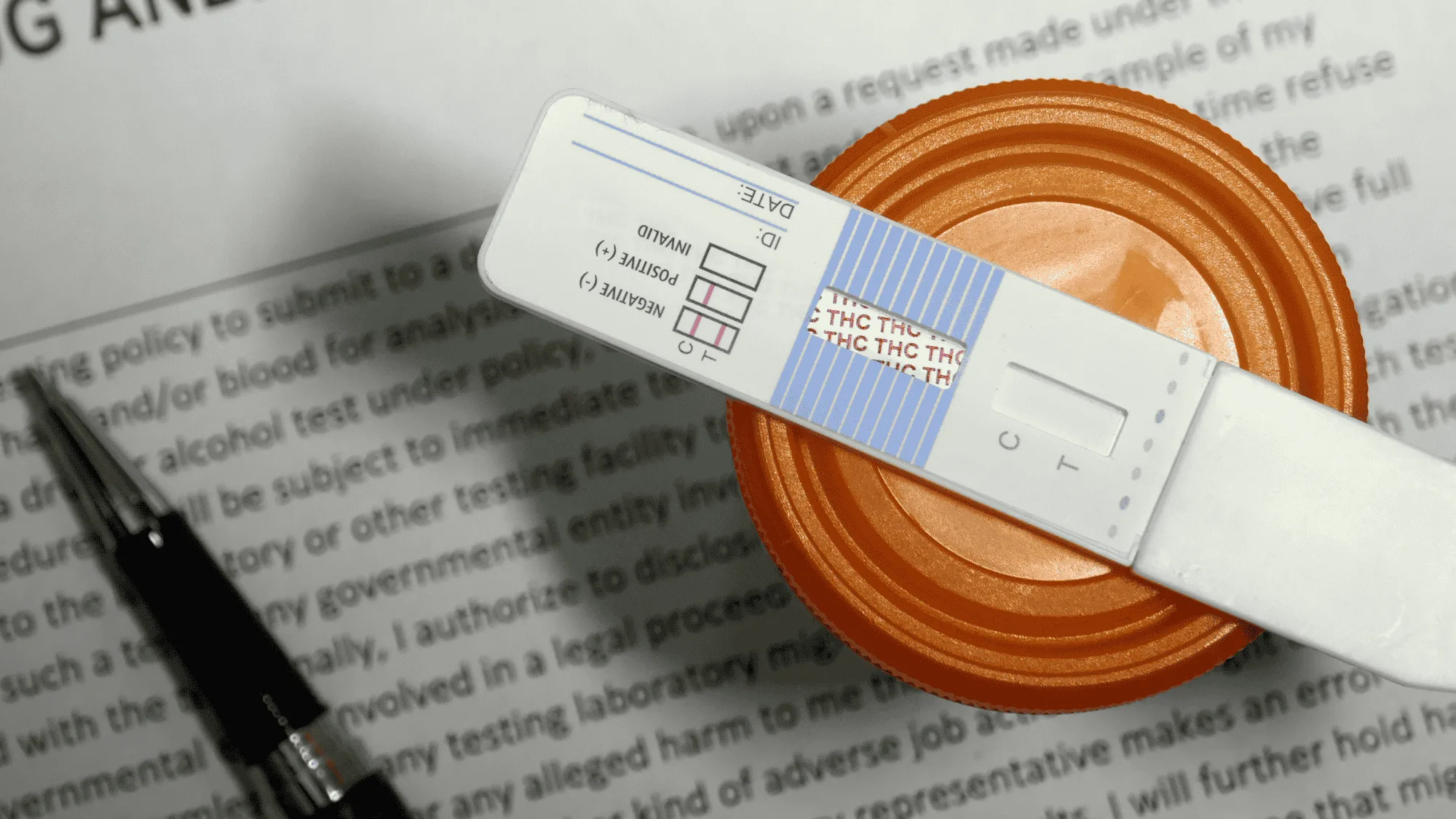
Many employers have a drug-free workplace policy, but fewer have one that is clear, current, and built for the way their workforce actually operates. Here is what to look for and fix.
 Analysis
If your organization missed OSHA's ITA deadline, the right response is to confirm coverage, gather the correct records, and file as soon as possible. Here's a step-by-step guide.