Psychosocial Hazards Are Now a Top Workplace Health Risk: What Employers Need to Know
With NIOSH calling psychosocial hazards an alarming public health problem and the ILO dedicating World Day for Safety and Health at Work 2026 to the topic, employers must act now to address workplace stress, burnout, and mental health risks alongside traditional safety programs.
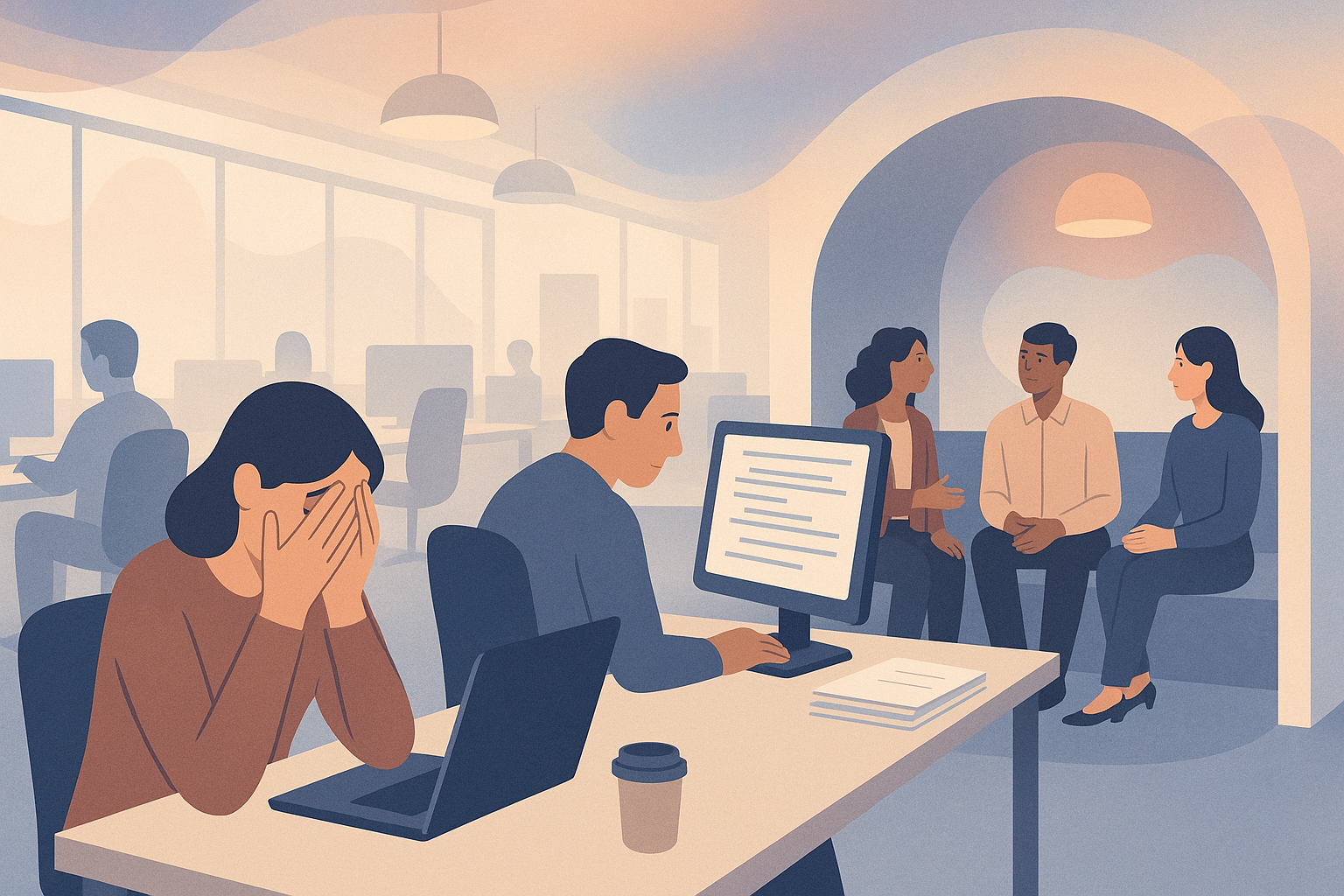
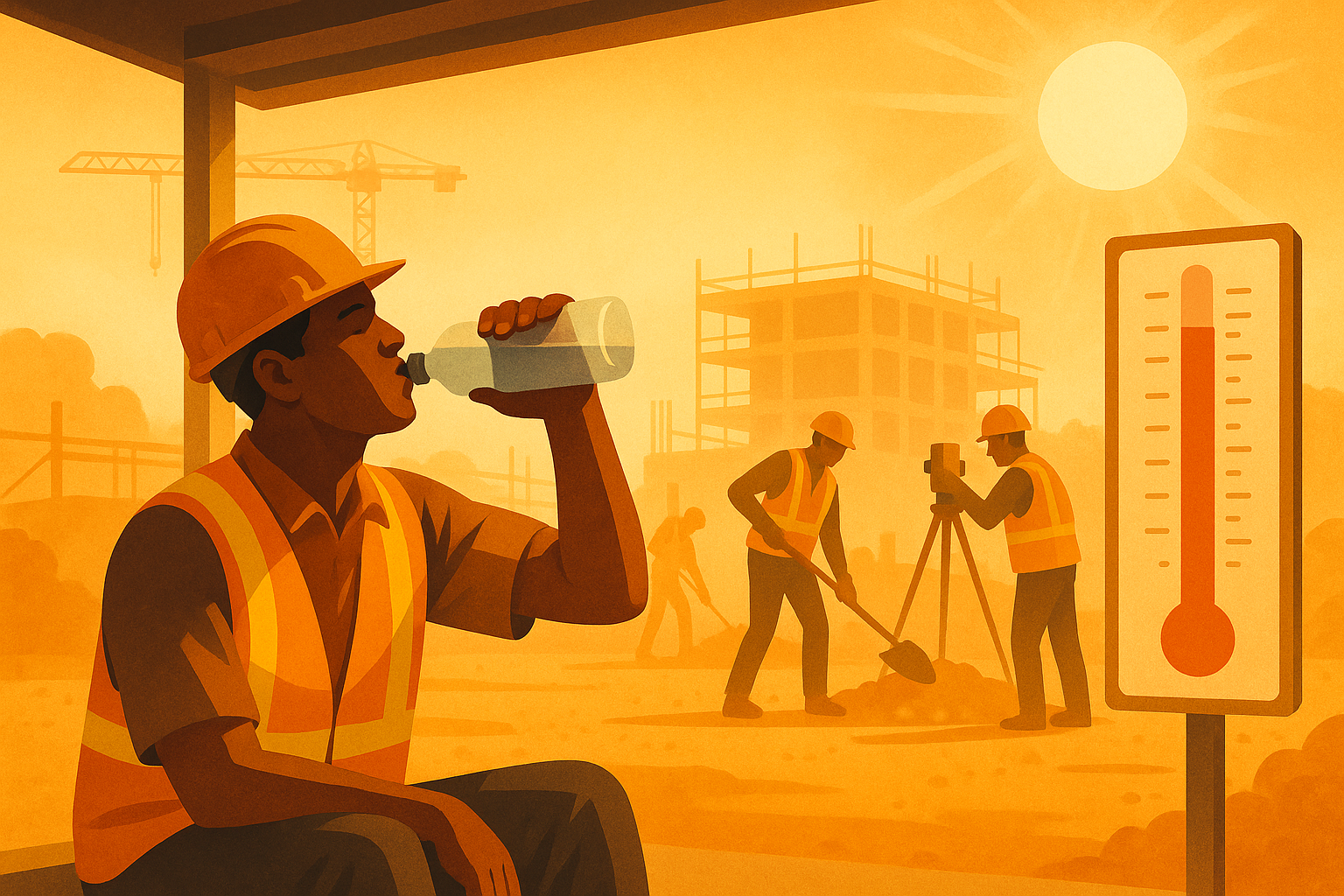
When occupational health professionals talk about workplace hazards, the conversation has historically centered on physical risks — falls, chemical exposures, machinery injuries, noise, and dust. But a growing body of research and a convergence of federal and international attention are making something clear: the psychological hazards of work are catching up to, and in some cases surpassing, the physical ones.
On April 28, the International Labour Organization will observe World Day for Safety and Health at Work 2026 with a theme dedicated entirely to psychosocial hazards — "ensuring a healthy psychosocial working environment." It is the first time the ILO has focused its annual global safety campaign squarely on mental health and organizational factors. The timing is not coincidental. In the United States, NIOSH published a landmark science bulletin in April 2024 calling work-related psychosocial hazards "an alarming public health problem that merits immediate, increased attention." OSHA has expanded its workplace stress resources for employers. And survey data continues to show that workplace stress and burnout are affecting a majority of the American workforce.
For employers, the message is straightforward: psychosocial hazards belong in your health and safety program, right alongside the physical ones.
What Are Psychosocial Hazards?
The ILO defines the psychosocial working environment as shaped by how work is designed, organized and managed, and the organizational practices that govern everyday working conditions. Psychosocial factors — such as workload, working time, role clarity, autonomy, support, and fairness — strongly influence how work is experienced and directly affect workers' safety, health, and performance.
When these factors harm workers, they become hazards. According to NIOSH's 2024 report, work-related psychosocial hazards include:
- Excessive workload and time pressure — consistently high demands without adequate resources or recovery time
- Low job control — limited autonomy over how, when, or where work is performed
- Role ambiguity and conflict — unclear expectations or conflicting demands
- Job insecurity — uncertainty about continued employment
- Long working hours — schedules that erode work-life balance
- Workplace violence and harassment — physical threats, bullying, or intimidation
- Poor management practices — lack of support, unfair treatment, or inadequate communication
- Social isolation — insufficient connection to colleagues, including remote work challenges
These are not merely morale issues. NIOSH's report documents that psychosocial hazards have been shown to cause physical injuries, burnout, cardiovascular disease, depression, high blood pressure, sleep disturbances, and suicidal ideation.
The Scale of the Problem
The data on workplace stress in the United States is striking. OSHA's workplace stress overview reports that 83% of U.S. workers suffer from work-related stress and 54% report that work stress affects their home life. Approximately 65% of workers surveyed between 2019 and 2021 characterized work as a very significant or somewhat significant source of stress. OSHA also cites research estimating that workplace stress contributes to 120,000 deaths in the United States each year.
The NIOSH science bulletin draws on data from the General Social Survey's Quality of Work Life supplement to paint an even more detailed picture:
- Close to 30% of workers reported that they always or often found their work stressful
- Almost 70% agreed they had to work very fast
- 43% perceived that demand at their job interferes with their family life
- Approximately 25% of workers reported having no decision-making power at work
The economic costs are substantial. A 2016 study cited in the NIOSH report assessed direct U.S. medical costs of exposure to 10 work-related psychosocial hazards at $187 billion in 2014 dollars. As the World Health Organization has noted and OSHA echoes, for every $1 employers spend treating common mental health issues, they receive a return of $4 in improved health and productivity.
Why the Attention Is Growing Now
Several factors are converging to push psychosocial hazards to the forefront of occupational health in 2026.
The ILO World Day Campaign
The ILO's decision to dedicate its 2026 World Day for Safety and Health at Work to psychosocial hazards signals a global shift in how occupational safety is understood. The ILO is preparing a global report that takes an organizational, prevention-focused approach and examines psychosocial factors across three levels: the job itself, how work is managed and organized, and the broader policies and procedures that govern work. For U.S. employers competing in a global economy, this represents a signal about where workplace safety expectations are headed internationally.
NIOSH's Call for Societal Action
The NIOSH science bulletin issued in April 2024 was not merely a literature review — it was a call for six specific societal actions:
- Increase awareness through a comprehensive public campaign
- Expand research into causes, interventions, and implementation
- Initiate or augment surveillance of psychosocial hazard exposures
- Translate research into actionable guidance for employers and workers
- Grow the workforce of professionals skilled in addressing these hazards
- Develop a national regulatory or consensus standard to control work-related psychosocial hazards
That sixth action — developing a national standard — is particularly significant. While no federal OSHA standard for psychosocial hazards currently exists, NIOSH's public call for one indicates the direction of the conversation. Internationally, ISO 45003:2021 already provides a framework for managing psychosocial risks within occupational health and safety management systems.
OSHA's Expanding Focus
OSHA has developed dedicated workplace stress resources and published employer guidance that outlines practical steps for identifying and mitigating workplace stressors. While OSHA does not currently have a specific psychosocial hazard standard, the agency can and does address these issues through the General Duty Clause — Section 5(a)(1) of the OSH Act — which requires employers to maintain a workplace free from recognized hazards likely to cause death or serious physical harm.
OSHA has used this authority in enforcement actions related to workplace violence and has signaled that mental health is an integral part of its broader approach to worker protection.
The Health Evidence: Why Psychosocial Hazards Matter Clinically
From an occupational health perspective, the clinical evidence connecting psychosocial hazards to specific health outcomes is now extensive. The NIOSH 2024 report synthesizes decades of research showing:
- Job strain (high demands combined with low control) is associated with a 23% increase in coronary heart disease and a 30% increase in the risk of stroke
- Job insecurity and long working hours are significantly associated with coronary heart disease, stroke, and depression
- Workers who experienced workplace violence reported depression, anxiety, PTSD, burnout, sleep problems, increased antidepressant use, and decreased quality of life
- Workers reporting high job demands and effort/reward imbalance had an increased risk of musculoskeletal disorders
These are not abstract correlations. They translate into workers' compensation claims, disability, lost productivity, and in severe cases, death. The connection between psychosocial exposures and physical health outcomes means that addressing these hazards is not just a wellness initiative — it is an occupational health imperative.
What Employers Should Do
Addressing psychosocial hazards effectively requires a systematic, organizational approach. NIOSH's Total Worker Health® program provides a framework that adapts the traditional hierarchy of controls — eliminate, substitute, redesign, educate, encourage — to psychosocial risks. The key principle is that organizational-level interventions should come first.
1. Assess Psychosocial Risks Systematically
Start by identifying the specific psychosocial hazards present in your workplace. Use validated tools such as the NIOSH Worker Well-Being Questionnaire (WellBQ) to measure worker well-being across multiple dimensions. Supplement quantitative data with employee focus groups, exit interview analysis, and review of absenteeism and turnover patterns.
2. Address Root Causes at the Organizational Level
The most effective interventions target working conditions, not individual coping:
- Workload management: Review staffing levels, task distribution, and deadline expectations. Ensure that chronic overwork is recognized as a systemic problem, not a personal failure.
- Autonomy and control: Give workers meaningful input into how their work is performed. Research consistently shows that job control is one of the strongest buffers against work stress.
- Role clarity: Ensure that job descriptions, expectations, and reporting relationships are clearly defined and communicated.
- Schedule predictability: Where possible, provide advance notice of schedules and minimize mandatory overtime.
- Management training: Train supervisors to recognize signs of distress, respond with empathy, and create psychologically safe team environments.
3. Build a Culture of Psychological Safety
OSHA's employer guidance emphasizes that employers should create a "safe and trustworthy space" for workers to discuss stress. This means:
- Leadership modeling openness about mental health
- Regular, recurring communication — not one-time announcements
- Policies that protect workers from retaliation for raising concerns
- Visible commitment from senior management to worker well-being
4. Provide Accessible Support Resources
Ensure workers have access to meaningful support:
- Employee Assistance Programs (EAPs): Review utilization rates. If engagement is low, evaluate whether the EAP is well-publicized, accessible, and offers relevant services.
- Paid leave and flexibility: OSHA notes that research from the American Psychological Association suggests 50% of employees find that a lack of paid time off contributes to stress.
- Mental health benefits: Ensure that health plans provide adequate mental health coverage consistent with the Mental Health Parity and Addiction Equity Act.
5. Monitor, Measure, and Improve
Psychosocial risk management is not a one-time project. Establish ongoing monitoring through:
- Regular employee surveys and pulse checks
- Tracking of relevant metrics (absenteeism, turnover, EAP utilization, workers' compensation claims for stress-related conditions)
- Annual review and update of psychosocial risk assessments and intervention plans
6. Integrate Psychosocial Risks into Your Safety Management System
If your organization operates under an occupational health and safety management system (such as one aligned with ISO 45001), consider incorporating the guidance from ISO 45003:2021, which provides a structured framework for managing psychosocial risks as part of the broader safety program. This ensures that psychological health is not siloed as an HR initiative but is treated as a core component of workplace safety.
The Regulatory Horizon
While no standalone federal OSHA standard for psychosocial hazards exists today, the trajectory is clear. NIOSH has explicitly called for a national regulatory or consensus standard. The ILO is elevating psychosocial hazards to the same level as physical, chemical, and biological hazards. ISO 45003 already provides an international benchmark. And OSHA's General Duty Clause remains available for enforcement where employers fail to address recognized psychosocial hazards.
Employers who wait for a specific regulation to act are missing the point — and the opportunity. The research, the guidance, and the tools are already available. The organizations that address psychosocial hazards proactively will not only protect their workers but will also see measurable returns in productivity, retention, and reduced healthcare costs.
As we approach World Day for Safety and Health at Work on April 28, it is a fitting moment for every employer to ask: are we managing the full spectrum of occupational hazards — including the ones that affect our workers' minds as well as their bodies?
Sources
- World Day for Safety and Health at Work 2026 — International Labour Organization
- An Urgent Call to Address Work-related Psychosocial Hazards and Improve Worker Well-being — NIOSH Science Bulletin (April 10, 2024)
- Supporting Mental Health in the Workplace — NIOSH Science Bulletin (2024)
- Workplace Stress Overview — OSHA
- Workplace Stress: Guidance and Tips for Employers — OSHA
- Total Worker Health® — NIOSH/CDC
- NIOSH Worker Well-Being Questionnaire (WellBQ)
- Mental Health at Work — U.S. Department of Labor
- Mental Health in the Workplace — World Health Organization
- ISO 45003:2021 — Psychological Health and Safety at Work
Tags
Frequently Asked Questions
Psychosocial hazards are factors in the work environment that can cause stress, strain, or interpersonal problems and lead to physical and psychological harm. According to NIOSH, common examples include excessive workload, low job control, lack of role clarity, poor organizational change management, job insecurity, long working hours, workplace violence, bullying, and inadequate social support.
While OSHA does not have a specific standard for psychosocial hazards, the agency can cite employers under the General Duty Clause — Section 5(a)(1) of the OSH Act — which requires employers to maintain a workplace free from recognized hazards likely to cause death or serious physical harm. OSHA has used this authority to address workplace violence and other stress-related hazards.
The 2026 theme is 'ensuring a healthy psychosocial working environment.' The ILO is releasing a global report that takes an organizational, prevention-focused approach to psychosocial factors across three levels: the job, how work is managed and organized, and the broader policies and procedures that govern work.
NIOSH's Total Worker Health program integrates workplace safety with worker well-being. For psychosocial hazards, it adapts the hierarchy of controls — eliminate, substitute, redesign, educate, encourage — prioritizing organizational-level changes such as workload redesign and improved management practices over individual-level interventions like stress management training.
A 2016 study cited by NIOSH estimated that direct U.S. medical costs from exposure to 10 work-related psychosocial hazards totaled $187 billion in 2014 dollars — the most recent comprehensive estimate available, and likely higher today when adjusted for inflation. The World Health Organization estimates that for every $1 spent treating common mental health issues, employers see a $4 return in improved health and productivity.