NIOSH's Algorithmic Hygiene Framework: What HR Teams Need to Know About Managing AI Workplace Risks
NIOSH's new algorithmic hygiene guidance reframes AI as an occupational hazard modifier. Learn how compliance technology helps employers assess, monitor, and control AI-related workplace risks under this framework.
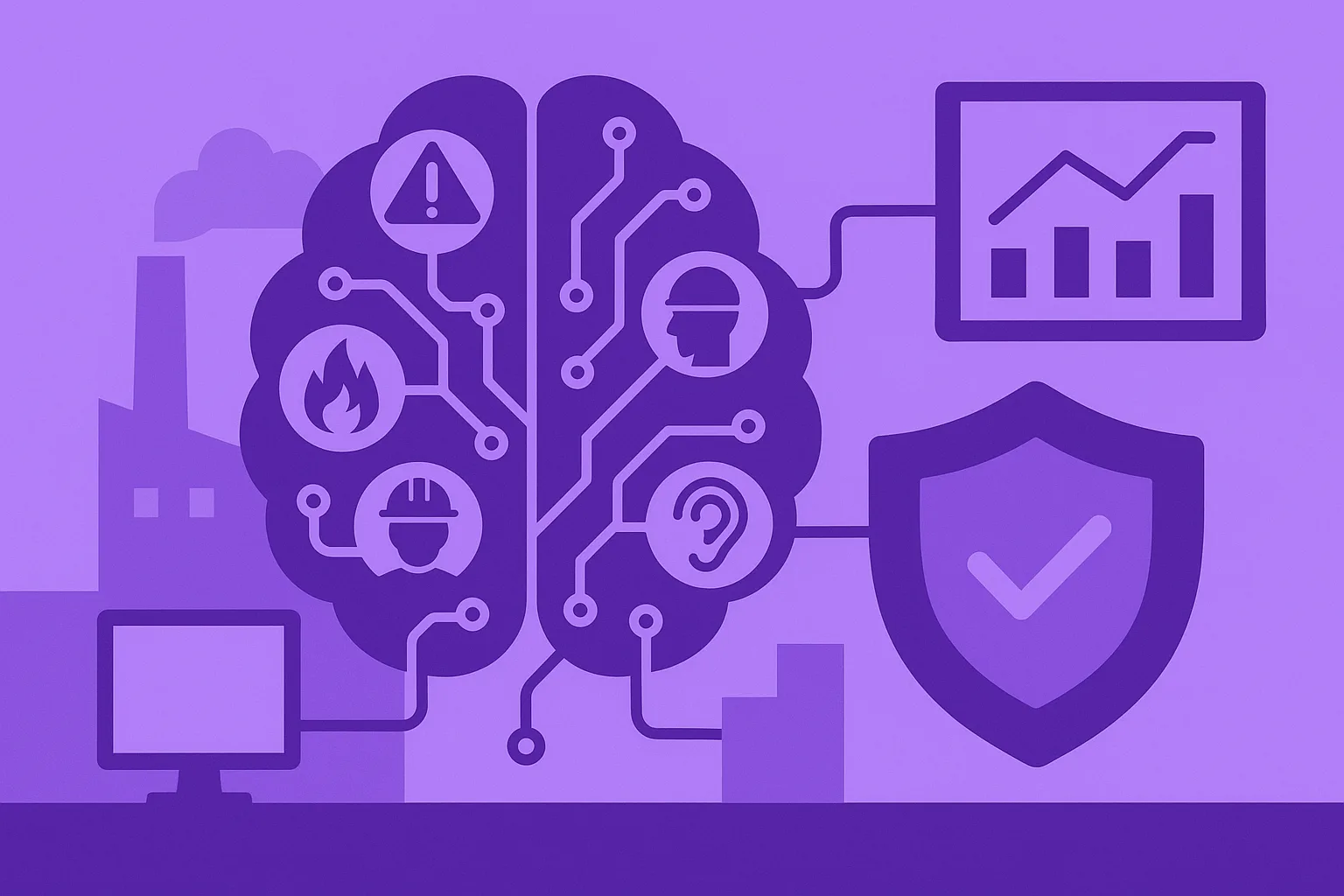

Artificial intelligence is no longer a future consideration for workplace safety teams — it is embedded in hiring algorithms, safety monitoring systems, scheduling platforms, and equipment controls across nearly every industry. But until early 2026, employers lacked a clear federal framework for how to evaluate and manage the occupational health risks these systems introduce.
That changed in January 2026, when the National Institute for Occupational Safety and Health (NIOSH) published its Practical Strategies to Manage AI Hazards in the Workplace bulletin. The guidance introduces "algorithmic hygiene" — a systematic approach to identifying, assessing, and controlling workplace risks created or modified by AI-enabled systems. For HR and compliance teams already managing complex regulatory landscapes, this framework signals a new dimension of operational responsibility — one where compliance technology is essential to keep pace.
What Is Algorithmic Hygiene?
NIOSH's algorithmic hygiene framework adapts established industrial hygiene principles — traditionally applied to chemical, physical, and biological hazards — to the digital systems now influencing how work is organized, monitored, and performed.
The core insight is that AI should not be treated as an entirely new hazard category. Instead, trained algorithms function as hazard modifiers — they change how existing workplace risks are introduced, controlled, or amplified. A scheduling algorithm that compresses rest periods modifies fatigue risk. A computer vision system that monitors worker behavior introduces psychosocial stress. A predictive maintenance model that alters equipment timing changes physical exposure patterns.
Key Principles of the Framework
The NIOSH guidance establishes several foundational principles for managing AI in the workplace:
-
Use precise terminology. Rather than broadly labeling systems as "AI," the framework recommends identifying specific algorithmic functions — decision-support, automation, prediction, optimization — and mapping each to the occupational hazards it may affect.
-
Extend existing risk management processes. Employers do not need entirely new safety management systems. Instead, current hazard identification, exposure assessment, and control methodologies should be expanded to encompass algorithmic system characteristics.
-
Address both physical and psychosocial risks. AI-driven changes to work organization — increased monitoring, reduced autonomy, new skill demands, job insecurity — constitute legitimate occupational health risks requiring formal assessment and control measures.
-
Maintain continuous oversight. Because algorithms evolve through retraining and updates, risk profiles change over time. Ongoing monitoring is essential, not just initial deployment assessment.
Why This Matters for Employers Now
The NIOSH bulletin is advisory rather than regulatory — it does not carry the force of an OSHA standard. However, its significance for employers extends well beyond voluntary guidance.
OSHA's Evolving Enforcement Expectations
OSHA's enforcement posture has shifted toward data-driven, technology-forward oversight. Inspectors increasingly expect employers to demonstrate active, documented risk management — particularly when technology-driven hazards are foreseeable. An employer who deploys AI-powered monitoring systems without assessing their psychosocial impact, or who ignores algorithmic flags for unsafe conditions, faces heightened scrutiny under the General Duty Clause.
The enforcement landscape already reflects this shift. OSHA's Site-Specific Targeting program uses employer-submitted electronic data to identify inspection targets. Establishments that demonstrate data anomalies — including patterns suggesting algorithmic reporting failures — face higher inspection probability.
Growing State-Level AI Regulations
Multiple states have enacted or proposed laws requiring employers to audit AI systems used in employment decisions, disclose algorithmic monitoring to workers, and conduct impact assessments before deployment. NIOSH's framework provides a structured methodology that aligns with these emerging compliance obligations, creating a foundation for documentation that satisfies both safety and employment law requirements.
Liability and Standard of Care
As AI adoption becomes standard practice, the professional standard of care for occupational health and safety practitioners evolves accordingly. The algorithmic hygiene framework effectively establishes what a reasonable employer should be doing to assess AI-related workplace risks. Failure to conduct these assessments — particularly after NIOSH has published explicit guidance — weakens an employer's legal position in the event of an AI-related workplace injury or psychosocial harm claim.
How Compliance Technology Supports Algorithmic Hygiene
For HR and EHS teams, the algorithmic hygiene framework introduces a challenge: managing risk assessments for systems that are inherently complex, continuously evolving, and often operated by teams outside the safety function. Compliance technology platforms are uniquely positioned to address this challenge.
Centralized AI System Inventory
The first step in algorithmic hygiene is identifying where trained algorithms operate within the organization. Compliance platforms enable centralized tracking of AI-enabled systems — from hiring tools and scheduling software to safety monitoring devices and equipment controls — with metadata about their function, scope, and affected worker populations.
Automated Risk Assessment Workflows
Modern compliance technology can embed NIOSH's algorithmic hygiene assessment methodology into structured workflows. When a new AI system is proposed for deployment, automated intake forms can capture system characteristics, trigger appropriate risk assessment protocols, and route reviews to qualified OEHS professionals. This ensures no AI deployment bypasses safety evaluation.
Continuous Monitoring and Alerting
Because algorithmic systems change through updates and retraining, static point-in-time assessments are insufficient. Compliance platforms with continuous monitoring capabilities can track system changes, flag when risk profiles shift, and automatically trigger reassessment workflows. Integration with IT change management systems ensures safety teams are notified when algorithmic systems are modified.
Psychosocial Hazard Documentation
One of the framework's most significant contributions is elevating psychosocial hazards — stress, reduced autonomy, surveillance anxiety — to the same level as physical workplace risks. Compliance technology enables systematic documentation of these assessments, worker feedback collection, and tracking of control measures implemented to mitigate psychosocial impacts.
Audit Trail and Regulatory Readiness
As state AI employment laws proliferate, employers need comprehensive documentation of their AI risk management activities. Compliance platforms maintain audit trails showing when assessments were conducted, what risks were identified, which controls were implemented, and how outcomes were monitored — exactly the documentation regulators and courts expect.
What Employers Should Do
Organizations that use AI-enabled systems in any aspect of work — including HR technology, safety monitoring, scheduling, equipment operation, or quality control — should take the following steps:
Immediate Actions
-
Conduct an AI system inventory. Catalog all algorithmic systems that interact with workers, influence work conditions, or affect employment decisions. Include systems managed by vendors and third parties.
-
Designate algorithmic hygiene responsibility. Assign clear ownership within the EHS or HR compliance function for AI risk assessment. This may require upskilling existing staff or engaging external OEHS professionals with algorithmic expertise.
-
Review existing risk assessments. Evaluate whether current safety management processes account for AI system characteristics. Identify gaps where algorithmic modifiers are not captured in hazard analyses.
-
Assess psychosocial impacts. For any AI system that monitors workers, influences scheduling, or changes job autonomy, conduct a formal psychosocial risk assessment. Document findings and implement controls.
Ongoing Practices
-
Integrate AI assessment into change management. Ensure that any deployment, update, or retraining of an algorithmic system triggers a safety review. Build this requirement into IT governance procedures.
-
Implement worker notification and feedback. Transparency about algorithmic systems builds trust and surfaces hazards that technical assessments may miss. Create channels for workers to report concerns about AI-related working conditions.
-
Leverage compliance technology for documentation. Manual tracking of AI risk assessments across multiple systems and locations is not sustainable. Invest in compliance platforms that centralize documentation, automate workflows, and maintain audit readiness.
-
Monitor regulatory developments. State AI employment laws are evolving rapidly. Subscribe to regulatory intelligence services or use compliance technology with automated regulatory tracking to stay current on new obligations.
The Bigger Picture: Compliance as Active Risk Management
NIOSH's algorithmic hygiene framework represents a broader shift in occupational health philosophy — from compliance as documentation to compliance as active, technology-enabled risk management. Employers who treat the framework as merely advisory miss its strategic significance.
The organizations best positioned for this environment are those that have already invested in compliance automation infrastructure — platforms that centralize regulatory tracking, automate assessment workflows, and maintain continuous audit readiness. For these organizations, extending existing systems to incorporate algorithmic hygiene assessments is incremental rather than transformational.
For organizations still managing compliance through spreadsheets and manual processes, the algorithmic hygiene framework adds one more reason to modernize. The complexity of managing physical, psychosocial, and now algorithmic workplace risks simultaneously exceeds what manual systems can reliably handle — particularly when regulatory expectations demand continuous documentation and demonstrable oversight.
The message from NIOSH is clear: AI in the workplace is not an IT issue alone. It is an occupational health issue, and it requires the same systematic assessment, control, and documentation that employers apply to any other workplace hazard. Compliance technology is the infrastructure that makes this manageable at scale.
Sources
- NIOSH — Practical Strategies to Manage AI Hazards in the Workplace (January 2026)
- OSHA — Site-Specific Targeting Directive CPL 02-01-067
- OSHA — Injury Tracking Application (ITA)
- OSHA — General Duty Clause, Section 5(a)(1) of the OSH Act
- BlueHive — Compliance Isn't Paperwork. It's Performance
- Lab Manager — NIOSH Issues Guidance on Managing AI Safety Risks in the Workplace
Tags
Frequently Asked Questions
Algorithmic hygiene is a framework published by NIOSH in January 2026 that adapts established industrial hygiene principles to AI-enabled workplace systems. It treats trained algorithms as hazard modifiers rather than a new hazard category, guiding employers to systematically identify, assess, and control risks that AI systems introduce or amplify in the workplace.
The NIOSH bulletin is advisory, not a regulatory standard with enforcement authority. However, it establishes a professional standard of care that OSHA inspectors, courts, and regulators may reference when evaluating whether an employer's AI risk management practices meet General Duty Clause obligations.
AI systems can introduce psychosocial hazards including increased surveillance stress, reduced job autonomy, heightened cognitive demands from new technology, job insecurity from automation fears, and anxiety from algorithmic performance monitoring. NIOSH's framework requires employers to formally assess and control these risks.
Compliance technology platforms support algorithmic hygiene by maintaining centralized AI system inventories, automating risk assessment workflows when new systems are deployed or updated, enabling continuous monitoring of algorithmic changes, documenting psychosocial hazard assessments, and maintaining audit trails for regulatory readiness.
Employers should begin by conducting a comprehensive inventory of all AI-enabled systems that interact with workers or influence work conditions. This includes HR technology, safety monitoring, scheduling software, and equipment controls. From there, they should designate responsibility for algorithmic hygiene within their EHS or HR compliance function and extend existing risk assessment processes to cover algorithmic system characteristics.